Webinars

Rethinking Political Culture in Africa

Dr. Gavaza Maluleke works as a senior lecturer in the department of political studies at the University of Cape Town and obtained her PhD at the Johannes Gutenberg University of Mainz. Her most recent postdoctoral work was in the democracy, governance and service delivery unit at the Human Science Research Council. She also worked as a consultant at United Nations University Institute on Globalization, Culture and Mobility. Her research interests are in digital activism, transnational feminisms, migration, gendered violence, masculinities and media studies in Africa.

Future of the African Child: Economic Participation and Ending Abuse

Faith Nimineh is the senior advisor of humanitarian affairs at ChildFund Alliance in New York. For more than twenty years, she has worked in humanitarian development, implementing child protection programs in conflict and post-conflict settings and championing the rights of children and people affected by conflicts and disasters. She has advocated for the protection of children from abuse, exploitation, and violence, including in her native country, Liberia, where she witnessed and experienced the impact of armed conflict on children and their families.

____

Ruhamah Ifere is a tech innovator and peacebuilder with over five years of experience advancing human rights, gender equality, and youth inclusion in African peacebuilding. She is the founder of Trully Verify Africa, a social enterprise promoting digital literacy to combat disinformation, and leads the Sexual Offences Watch Observers Project, which has impacted over 5,000 young people in addressing gender-based violence. Ruhamah also hosts “Vantage Point,” a platform focused on gender equality and information integrity.

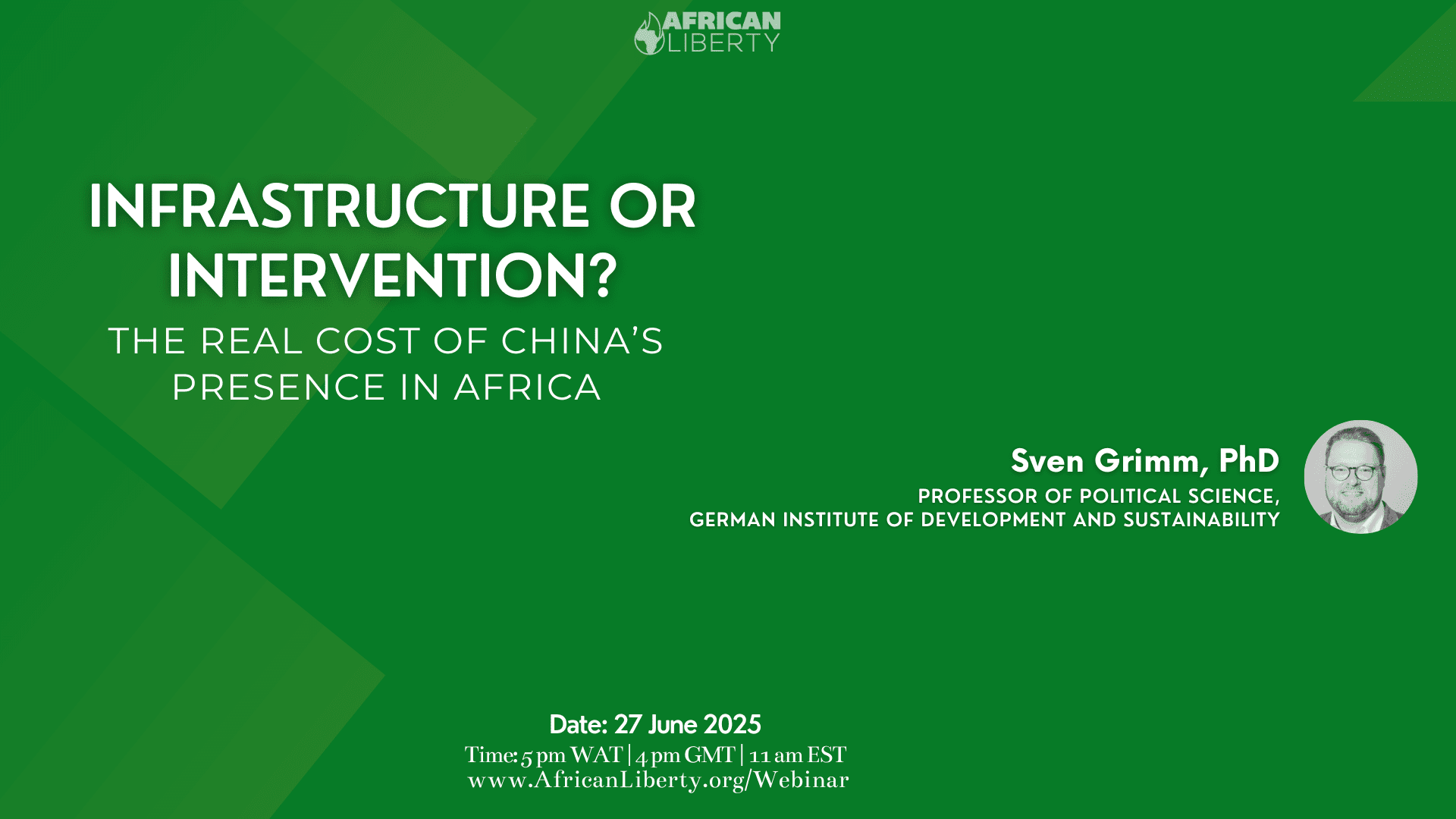
Infrastructure or Intervention? The Real Cost of China’s Presence in Africa

Dr. Sven Grimm is a political scientist who has worked on external partners’ cooperation with Africa since 1999. His research has focused on the role of emerging economies in Africa, with particular attention to China-Africa relations since 2006. Dr. Grimm studied in Hamburg, Germany; Accra, Ghana; and Dakar, Senegal. He earned his Ph.D. from the University of Hamburg in 2002 with a thesis on EU-Africa relations. He has previously worked with the London-based Overseas Development Institute and the German Development Institute.

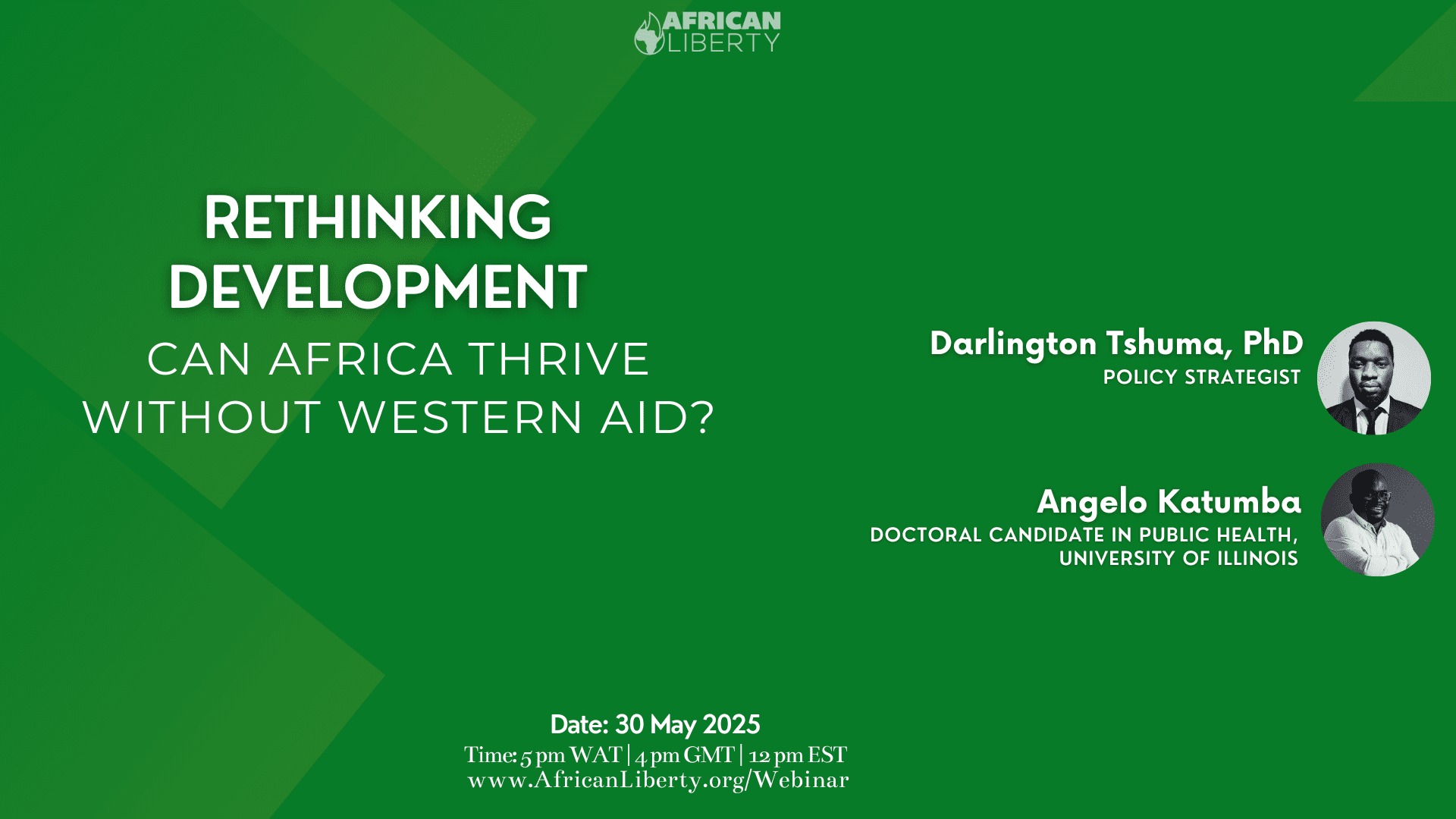
Rethinking Development: Can Africa Thrive Without Western Aid?

Dr. Darlington Tsuma is a policy strategist, analyst, researcher, and development practitioner with extensive experience working with non-profit organizations, the United Nations, universities, think tanks, and policy institutes across Africa, Europe, and the United States. Dr. Tshuma has published widely and presented academic and policy papers on governance, human rights, democracy, politics, and development at various global fora. His work has been featured in prominent media outlets, including the United Nations Africa Renewal, South Africa’s Mail, Guardian and Daily Maverick, as well as The Huffington Post.

__

Angelo Katumba is a journalist and a doctoral candidate at the University of Illinois Chicago’s School of Public Health, and he has published an article on Rethinking Africa’s relationship with foreign aid, contributing to critical conversations on Africa’s development trajectory. With over 20 years of experience in healthcare and public health, he is dedicated to making complex scientific and health issues accessible to communities. Angelo leads global capacity-building initiatives and engages valueholders to support the rollout of new biomedical prevention and treatment interventions.

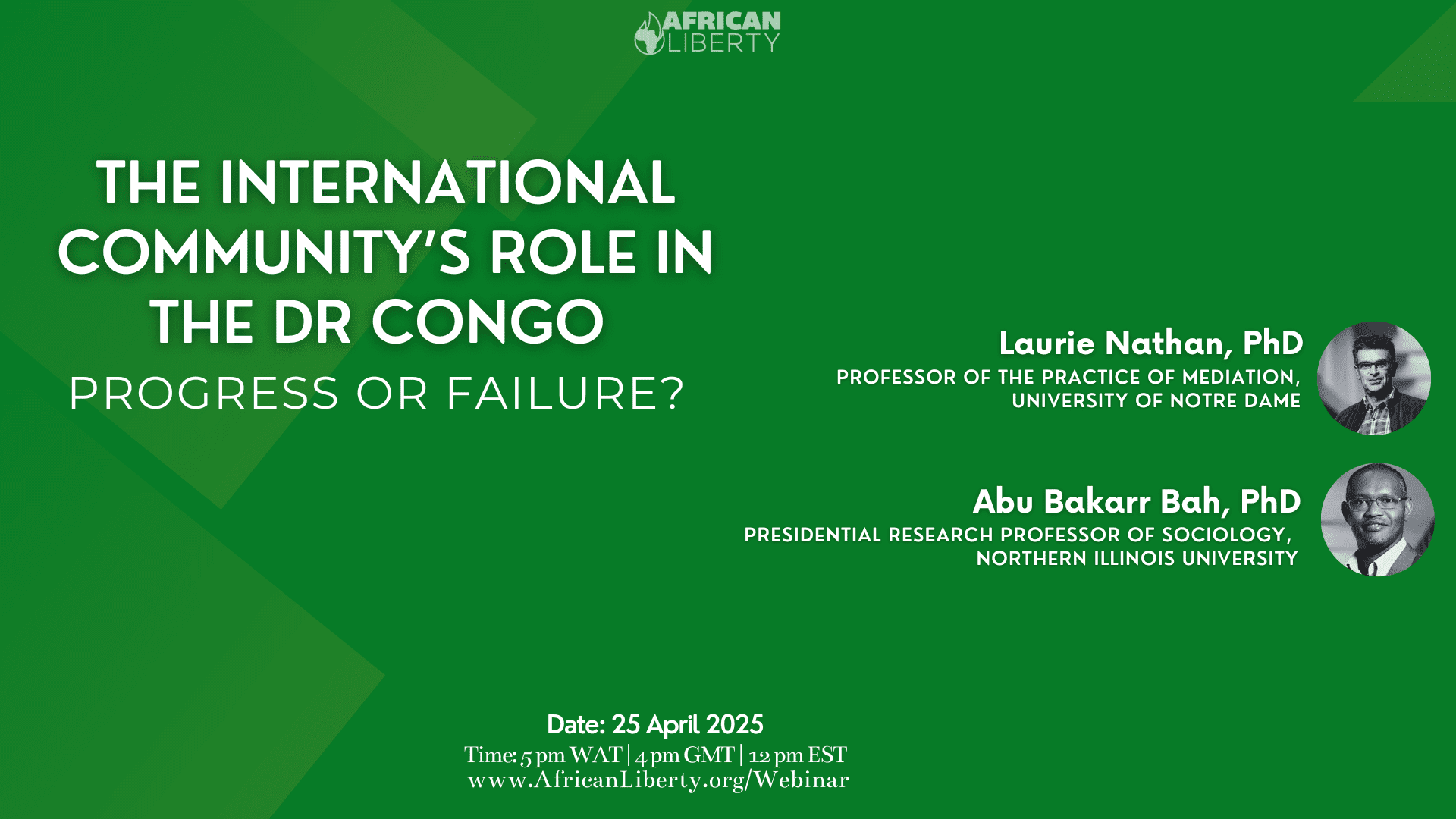
The International Community’s Role in the DR Congo

Dr. Laurie Nathan is a professor of the practice of mediation and director of the mediation program at the Kroc Institute for International Peace Studies. He is a scholar-practitioner, doing academic and policy research on mediation, leading the annual United Nations High-Level Mediation Course in Switzerland, and also doing mediation training in South Bend. He has been involved, most recently, as a facilitator or coach in relation to the Israel-Palestinian conflict, the civil war in Sudan, the Ethiopia-Tigray war, and the Kosovo-Serbia dialogue.

_

Dr. Abu Bakarr Bah is a presidential research professor of sociology and department chair at Northern Illinois University. He is the founding director of the Institute for Research and Policy Integration in Africa (IRPIA) and a faculty associate at the Center for Nonprofit and Non-Governmental Organization Studies. Professor Bah is also the founding Editor-in-Chief of African Conflict and Peacebuilding Review and the African Editor of Critical Sociology. He was a Senior Fellow at the Canadian Centre for the Responsibility to Protect and a visiting distinguished faculty (at large) at Riara University (Kenya).

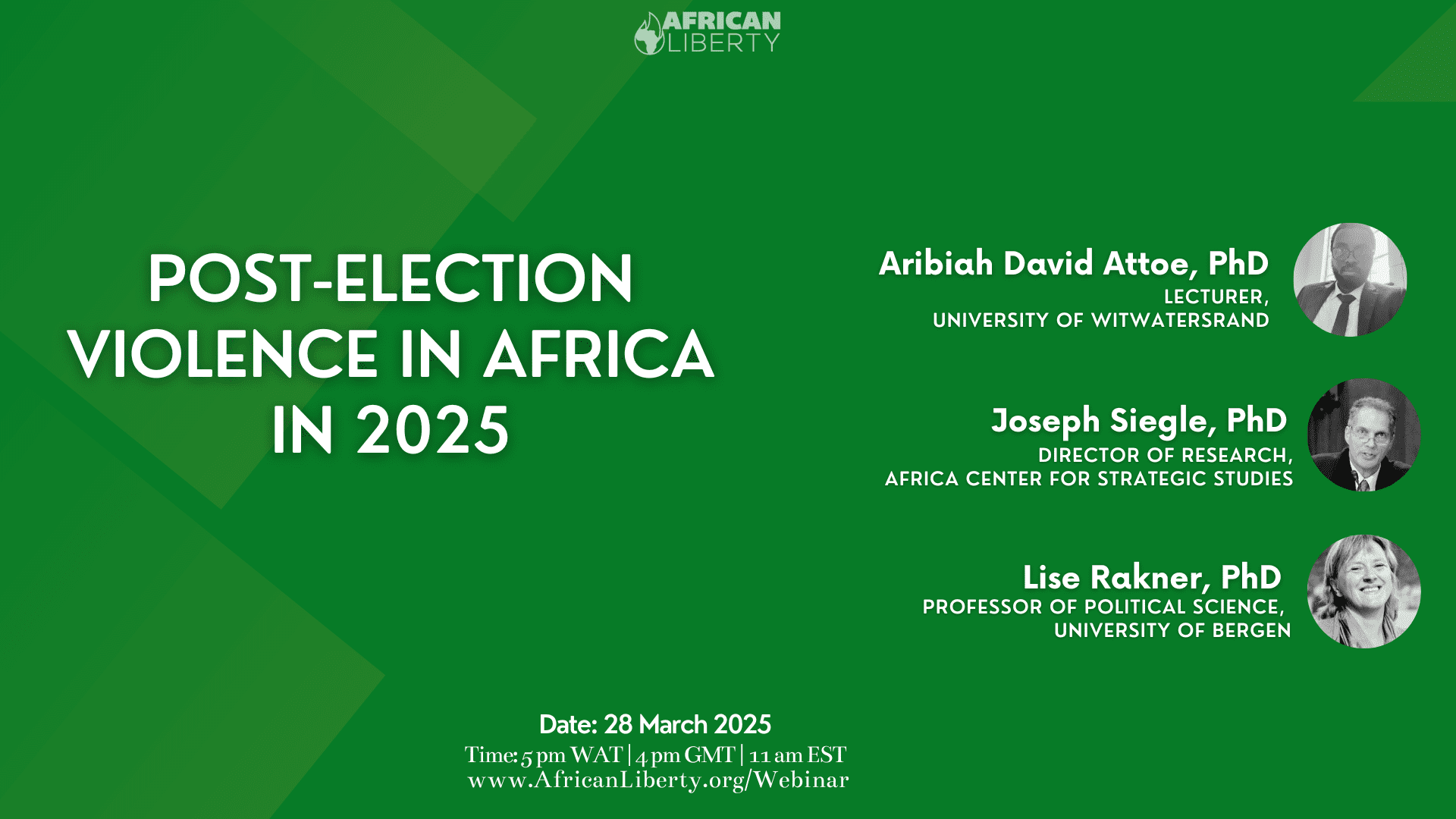
Post-Election Violence in Africa in 2025

Dr. Aribiah David Attoe is an early-career researcher recognized by the National Research Foundation (NRF) of South Africa for his high potential to make significant contributions to his field. He is a Lecturer at the University of Witwatersrand and a former postdoctoral fellow at the University of Fort Hare. He holds a PhD in African Philosophy from the University of Johannesburg and has authored several works, including The Question of Life’s Meaning: An African Perspective (2023) and Groundwork for a New Kind of African Metaphysics (2022).

_

Dr. Joseph Siegle is the director of research at the Africa Center for Strategic Studies at the National Defense University in Washington, D.C. Dr. Siegle’s research focuses on democratic transitions, democratic institution building, and the development and security implications of governance. In this capacity, he tracks Africa-wide security trends, the stabilization of fragile states, and the role of external actors in Africa. He has been a close observer of African elections offering an annual election preview for many years, including this year’s edition with Hany Wahila, “Africa’s 2025 Elections: A Test of Credibility to Uphold Democratic Norms.”

_

Lise Rakner is a Professor of Political Science at the Department of Government of the University of Bergen, Norway. Her research interests cover the fields of democratization and autocratization, with particular emphasis on human rights, electoral politics, political parties, and processes of democratic backsliding. Rakner’s work also extends to political economy, with an emphasis on economic reforms, taxation, business associations, budget processes, and aid effectiveness. She has conducted several governance assessment analyses for international agencies and donor governments.