On 4 April 2024, the president of Sierra Leone, Julius Bio, declared a national emergency on kush, a psychoactive drug that blends several addictive substances. According to the Sierra Leone Psychiatric Teaching Hospital, admissions connected to kush surged by nearly 4,000 percent between 2020 and 2023. The Sierra Leonean government’s war against kush suppliers has not yielded the intended outcomes. The government and other relevant stakeholders must invest in rehabilitation infrastructure to address the kush epidemic. The government must also formulate policies that drive job growth, such as skills acquisition and educational support. There is also a need to foster a social environment that mitigates drug abuse.
The war on drugs in Sierra Leone is failing because of a fundamental economic error. The more people go in search of kush, the greater its supply. Insofar users of the drug continue to go in search of supplies, there will be individuals willing to supply, regardless of the restrictions.
Kush is also a substitute drug, meaning that users can opt for less expensive and even potent alternatives, like meth and codeine. Therefore, a ban on kush, without addressing the needs of those abusing it, focuses on the symptoms of the crisis rather than its root cause.
The kush epidemic requires that the Sierra Leonean government and humanitarian organizations in the country facilitate mass sensitization programs on the implications of substance abuse. These sensitization programs must be accompanied by a drive to assist abusers with sources of livelihood. Many abusers turn to drugs with the hope of escaping harsh realities in their personal lives. To them, the brief “high” moment is a means to numb their awareness of the socio-economic challenges.
The government and nongovernmental organizations should offer technical and other forms of support to those willing to reintegrate into society. Such assistance may take the form of scholarships for those who express a desire for formal education or training, for those opting for a career in trade. In 2022, a similar initiative dubbed ‘Sober Youth Project by Interactions’ was successfully initiated in the Democratic Republic of Congo, with a view to capacity building, empowering, and reintegrating drug abusers into society.
Furthermore, when such abusers exhibit a genuine desire for reformation, the process to properly reintegrate them into society must commence. In Kenya, efforts are underway to construct rehabilitation centers in 47 counties. Similarly, humanitarian organizations in Sierra Leone should collaborate to upgrade and establish additional rehabilitation facilities. In addressing the addictiveness of the drugs, rehabilitation facilities are required to handle the effects of drug withdrawal. Such psychological support is vital to setting reformed persons on the path to true redemption.
Moreover, we must emphasize the values that bind us together as families, communities, and a country. The essence of reinforcing common values, like compassion and empathy, is more preventative. Building a strong value system helps prevent the stigmatization of drug abusers and fosters a social climate that discourages the sale and use of illicit drugs. According to a study conducted in Nigeria, efforts to restore past high moral standards translate to a noticeable decline in drug use.
With young people as the primary victims, the ongoing drug crisis threatens the future of Sierra Leone. The importance of preventing further damage cannot be overstated. To tackle the drug epidemic, government policies must focus on awareness campaigns.
Emmanuel Suma is a writing fellow at African Liberty.
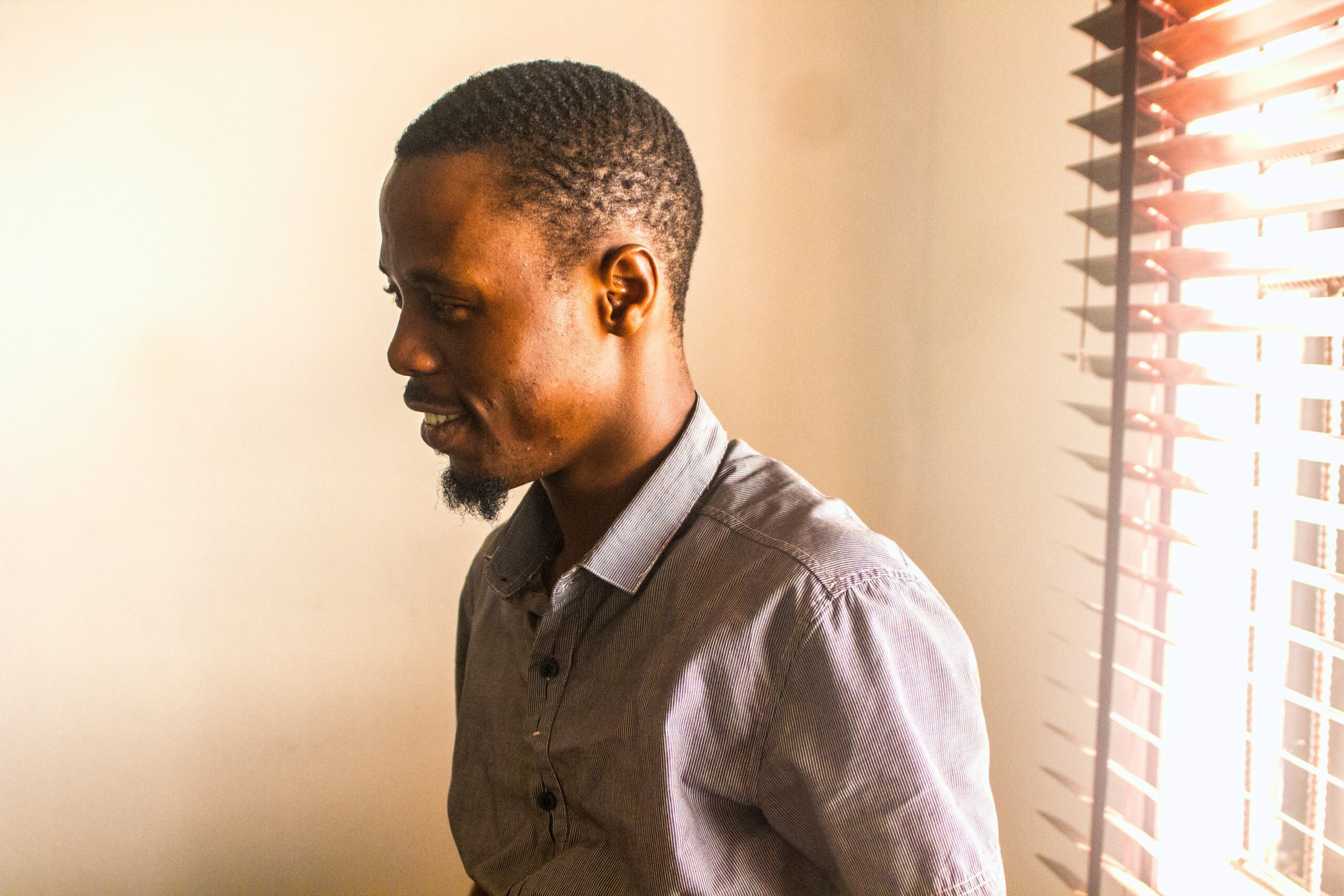
Photo by Sowemimo Bamidele via Unsplash.