On 26 October 2024, former Nigerian President Olusegun Obasanjo described the lack of continuity in government policies as a problem for Nigeria and Africa. According to the Policy Innovation Centre, Nigeria is held back largely because successive administrations fail to sustain inherited policies. Each new administration often prioritises new projects over completing or sustaining existing ones, especially those inherited from predecessors of opposition parties. To ensure policy continuity, the Nigerian government and private sectors should encourage citizens to engage more actively in asking questions that hold leaders accountable. Additionally, the legislature needs to institutionalise a legally binding national development plan that binds successive administrations to ensure continuity in governance.
According to reports by the Abandoned Projects Audit Commission established by former Nigerian president Goodluck Jonathan, Nigeria had about 11,886 abandoned projects in 2012. Fast forward to 2021, the Nigerian Society of Engineers reported that Nigeria had about 56,000 abandoned projects, estimated at over $12 billion. These figures stress the need for continuity in government policies as a practical approach to sustainable development in Nigeria.
A prime example of continuity in government policy is Singapore’s Economic Development Board (EDB). The EDB was established by law and tasked with guiding Singapore’s economic development and policies. The Nigerian government should create a similar yet independent board modelled after Singapore’s EDB. This approach will ensure the board continues its work regardless of who becomes president or which political party is in power.
Such a board, backed by law, will require Nigerian policymakers to conduct clear cost assessments before introducing new projects. Moreover, with these systems in place, abandoned projects can be critically assessed and reviewed to determine whether to continue them or formally classify them as failed. This approach realigns the Nigerian government’s focus with current realities.
To further promote transparency and continuity in government policies, citizens must play an active role in governance. The Nigerian government and private organisations should encourage and promote civic engagement and accountability. A more profound way is for the Nigerian government to adopt and establish a centralised, digital transparency platform. Citizens will be able to track government transparency, like Spain’s transparencia.gob.es portal, which helps Spaniards monitor Spain’s policies. Such a portal will equip citizens to participate responsibly in governance. Through this participation, citizens will question and demand progress reports on government projects and hold both elected and appointed officials accountable.
Most policies in Nigeria are either overstretched or bundled with unrealistic timelines by politicians. Projects such as the Ajaokuta Steel Company and several abandoned projects across Nigeria have drained the economy of billions of dollars due to mismanagement and corruption.
A digital transparency platform will help citizens monitor the status of federal, state, and local government projects in their communities. Beyond voting for elected officials, citizens will be able to participate in governance and ensure that policies are documented and implemented in accordance with due processes.
Continuity in government policies in Nigeria cannot be overemphasised. For the country to truly own its global status, government policies must go beyond documentation to long-term, well-managed implementation. Therefore, the Nigerian government must enact laws that ensure projects continue. It must also establish robust management systems and encourage citizens to hold leaders accountable. These strategies provide the stability needed for policies to survive both current and subsequent political transitions.
Kingsley Garh is a journalist and writing fellow at African Liberty.
Article first appeared in TheCable.
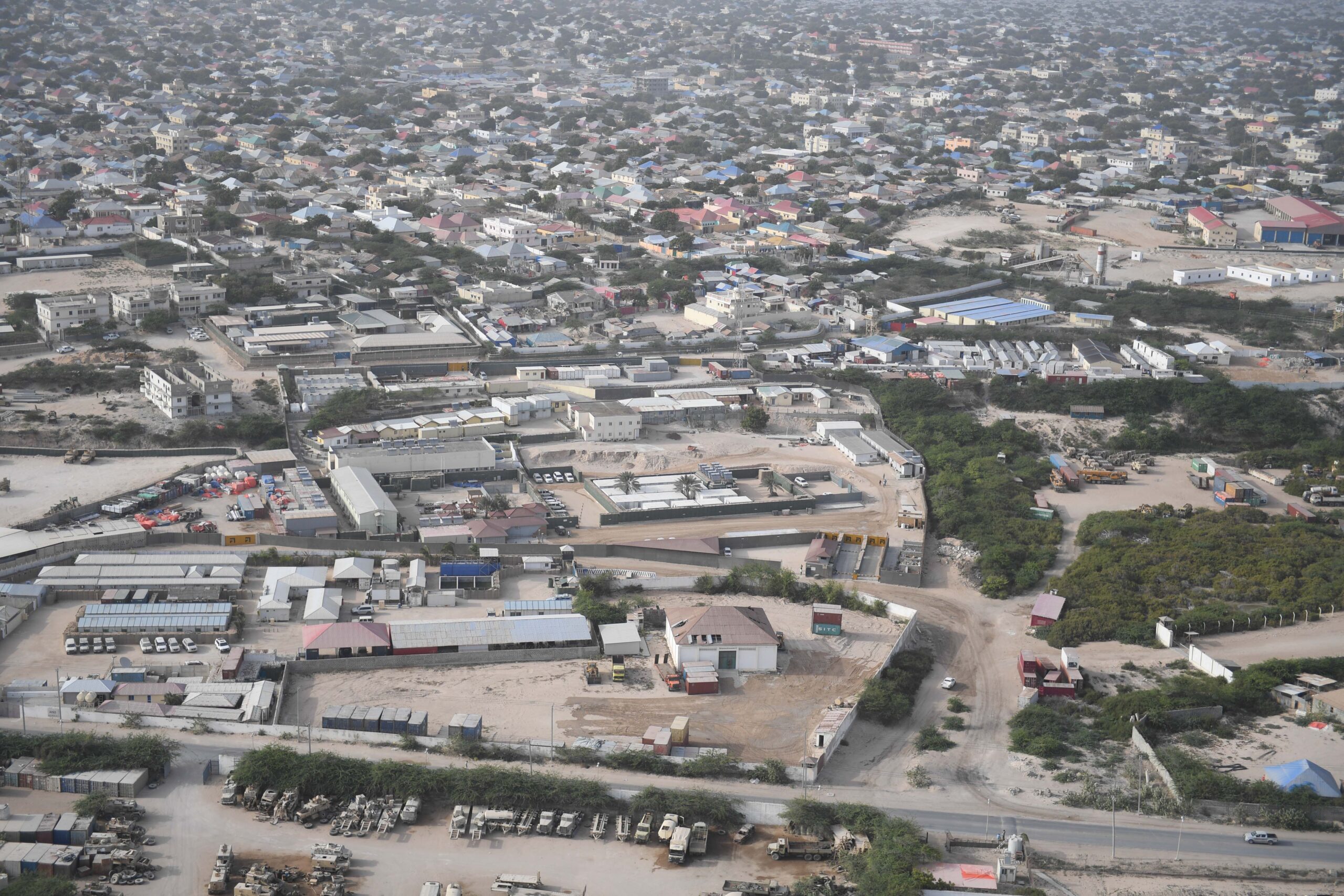
Photo by AMISOM via Iwaria.