The World Health Organization warns that unsafe food causes an estimated 866 million illnesses and 1.5 million deaths globally every year, with young children facing the highest risk. In Lesotho, many families struggle with food insecurity, poor nutrition, and limited access to healthcare, leaving children more vulnerable to foodborne diseases. Contaminated food harms children’s health, contributes to malnutrition, keeps children out of school, and causes preventable deaths. When children cannot access safe, nutritious food, they miss out on opportunities to learn, grow, and reach their full potential. Such a situation threatens children’s rights, dignity, well-being, and freedom to live healthy and productive lives. To address this challenge, Lesotho must strengthen food safety standards, invest in local food production and food sovereignty, and promote food safety education within communities.
Unsafe food shapes the health, development, and future well-being of children in Lesotho. When children consume contaminated food, they suffer recurring illness, poor nutrition, and stunted growth that limits learning and development. These conditions reduce school attendance and weaken long-term cognitive and physical potential. Families also face rising healthcare costs and lost income, schools experience lower performance, and the health system struggles to address preventable foodborne diseases that strain limited resources. At a national level, Lesotho risks reduced productivity and a weaker future workforce. Ensuring safe food protects children’s rights, strengthens human capital, and supports national development.
Strengthening food safety standards and accountability across the food system is one of the most effective ways to reduce foodborne illnesses and protect children from preventable harm. Food can become contaminated at any stage, from production and processing to transportation, storage, and sale. But by enforcing clear safety standards and holding all actors accountable, Lesotho can reduce the risk of unsafe food reaching consumers. Lesotho can implement this solution by updating its food safety regulations, strengthening inspections, improving laboratory testing capacity, and providing training for farmers, food processors, retailers, and vendors. Policymakers, businesses, and public health institutions should work together to promote compliance and accountability throughout the food chain. Stronger food safety standards would reduce illness, lower healthcare costs, build consumer confidence, and protect children from avoidable disease and long-term health complications. Kenya and Rwanda, as African countries, have proven that such food inspection and quality assurance mechanisms can help improve public health.
In addition, investing in local food production and food sovereignty can help Lesotho improve food safety while strengthening food security and economic resilience. When countries rely heavily on imported food, they often have less control over production practices, quality standards, and supply chains. By increasing local food production, Lesotho can better oversee how food is grown, processed, stored, and distributed. Ethiopia demonstrates the value of investing in domestic agriculture by expanding extension services, improving access to farming inputs, and supporting smallholder farmers to boost agricultural production and strengthen food security.
Lesotho can pursue a similar approach by expanding access to agricultural inputs, irrigation infrastructure, storage facilities, financing, and extension services. Policymakers should also strengthen links between farmers and markets to increase demand for locally produced food. A stronger local food system would improve food quality accountability, reduce dependence on imports, create jobs, support rural livelihoods, and build a more resilient food supply.
Promoting food safety education and community awareness can reduce foodborne illnesses in Lesotho. Many cases of food contamination occur because people lack information about proper food handling, storage, preparation, and hygiene practices. By equipping households, vendors, and communities with knowledge, Lesotho can prevent illnesses before they occur through education and awareness programs. South Africa, for example, has implemented food safety awareness initiatives that educate consumers and food handlers about hygiene practices.
Lesotho can advance food safety education by integrating food hygiene lessons into school curricula, training vendors and community health workers, and using media like radios, television, print, and social media to share information. Community organizations can support outreach efforts in local areas. Greater awareness would help families make safer food choices, reduce illnesses, lower healthcare costs, and improve children’s health and development. An informed population is the foundation of a safer, healthier food system.
Together, these solutions can help Lesotho build a future where every child enjoys the right to safe and nutritious food. By protecting children from preventable harm, Lesotho can advance human rights, expand opportunities, and strengthen freedom for future generations.
Lipuo Mokhesi is a writing fellow at African Liberty.
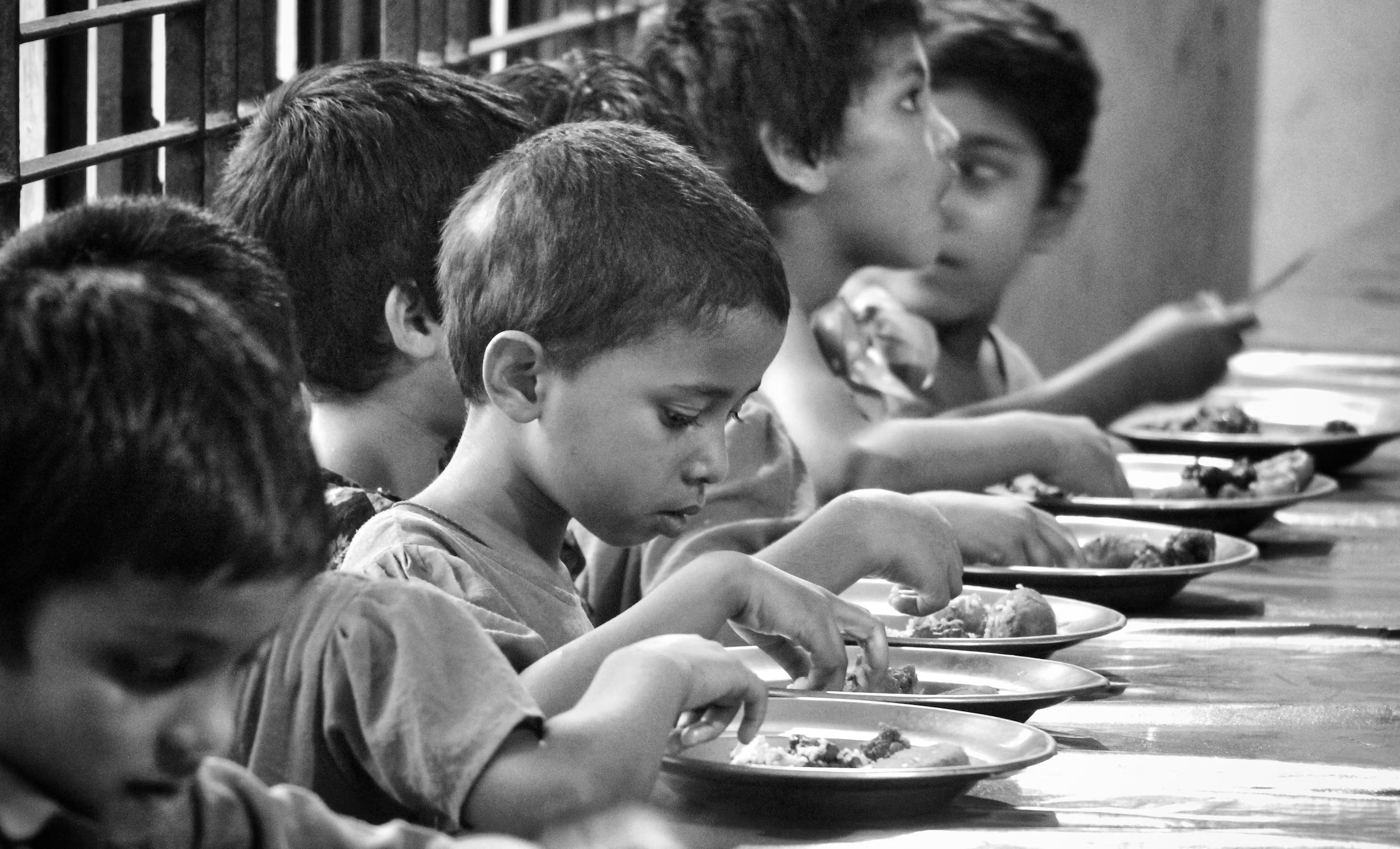
Image by Imdadul Hussain via Unsplash.