Webinars

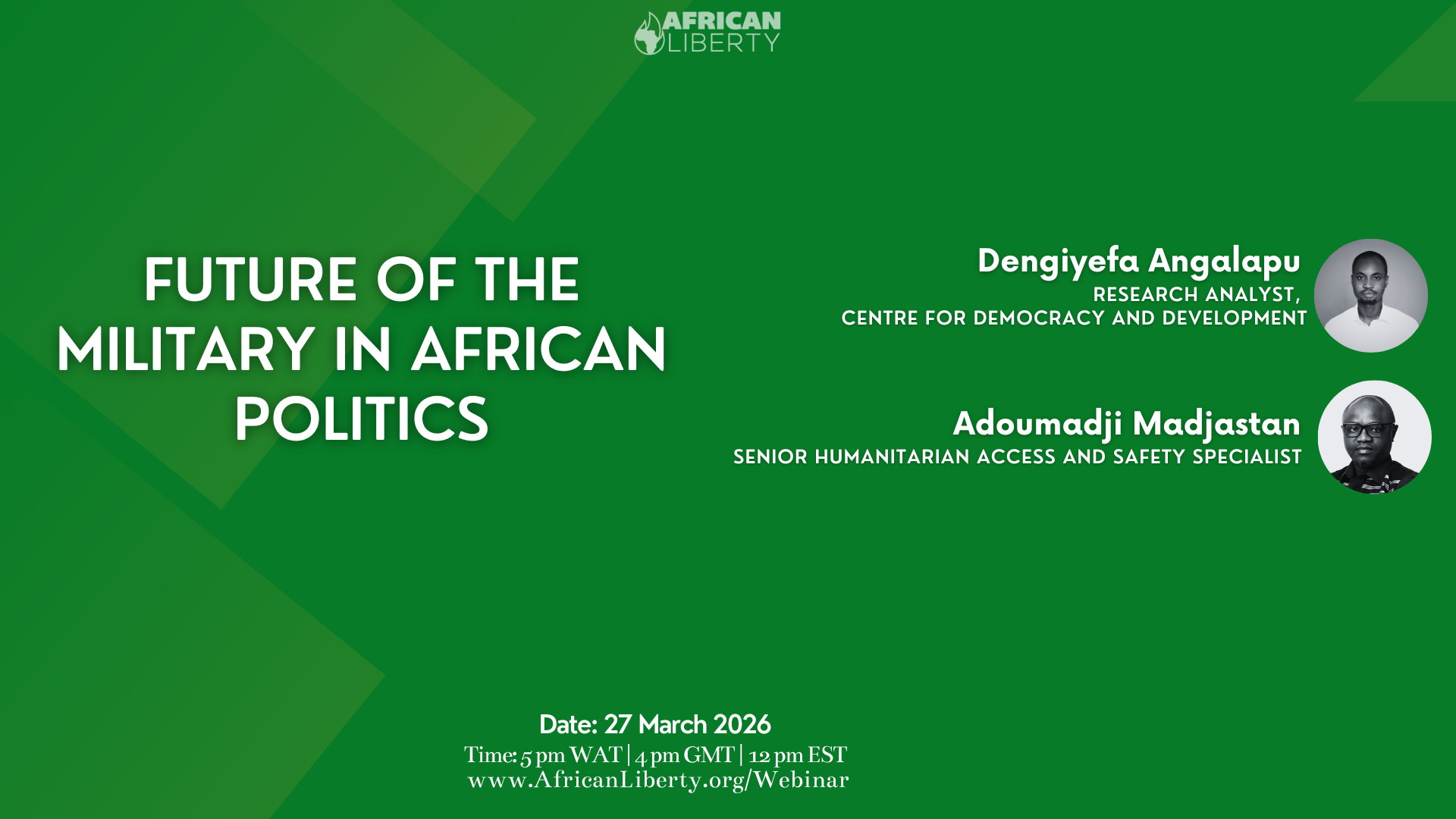
Future of the Military in African Politics

Dengiyefa Angalapu is a political scientist, research analyst, and regional peace advocate with over a decade of experience researching conflict dynamics across the Niger Delta, North Central, and Northwest Nigeria. He currently serves as a Research Analyst at the Centre for Democracy and Development (CDD West Africa), where he leads research on political violence, terrorism, and conflict trends in Nigeria and across West Africa. His work spans the intersection of climate change, political violence, terrorism, and sustainable peace, with a strong focus on translating complex security data into actionable policy recommendations. He has facilitated multi-stakeholder peacebuilding initiatives in conflict-prone communities and represents CDD on regional and international platforms, including the West African Research Network on Organised Crime (WARNOC) and the Global Partnership for the Prevention of Armed Conflict (GPPAC). He also serves on the Advisory Committee for Nigeria’s transitional justice program, Operation Safe Corridor. Dengiyefa holds a Master of Science in Political Science (Development Studies) from Niger Delta University, and is currently a PhD candidate in Political Science (Development Studies). He also earned a Professional Master’s in Transitional Justice with Distinction from the University of Maiduguri. His analysis has featured in outlets such as Al Jazeera, DW, LSE Africa, ISS Africa, Premium Times, and African Arguments.

___

Magloire Adoumadji Madjastan is a Senior Humanitarian Access and Safety (HAS) specialist and PhD candidate in International Relations and Business Diplomacy at CEDS Dakar. He holds a master’s degree in Strategy, Defence, Security, and Conflict Management and currently serves as Regional Head of Humanitarian Access and Safety for eight countries in West and Central Africa. His research and professional interests focus on risk governance, civil–military relations, extremist armed groups, military coups, humanitarian negotiation, and organisational responses in high-risk environments.
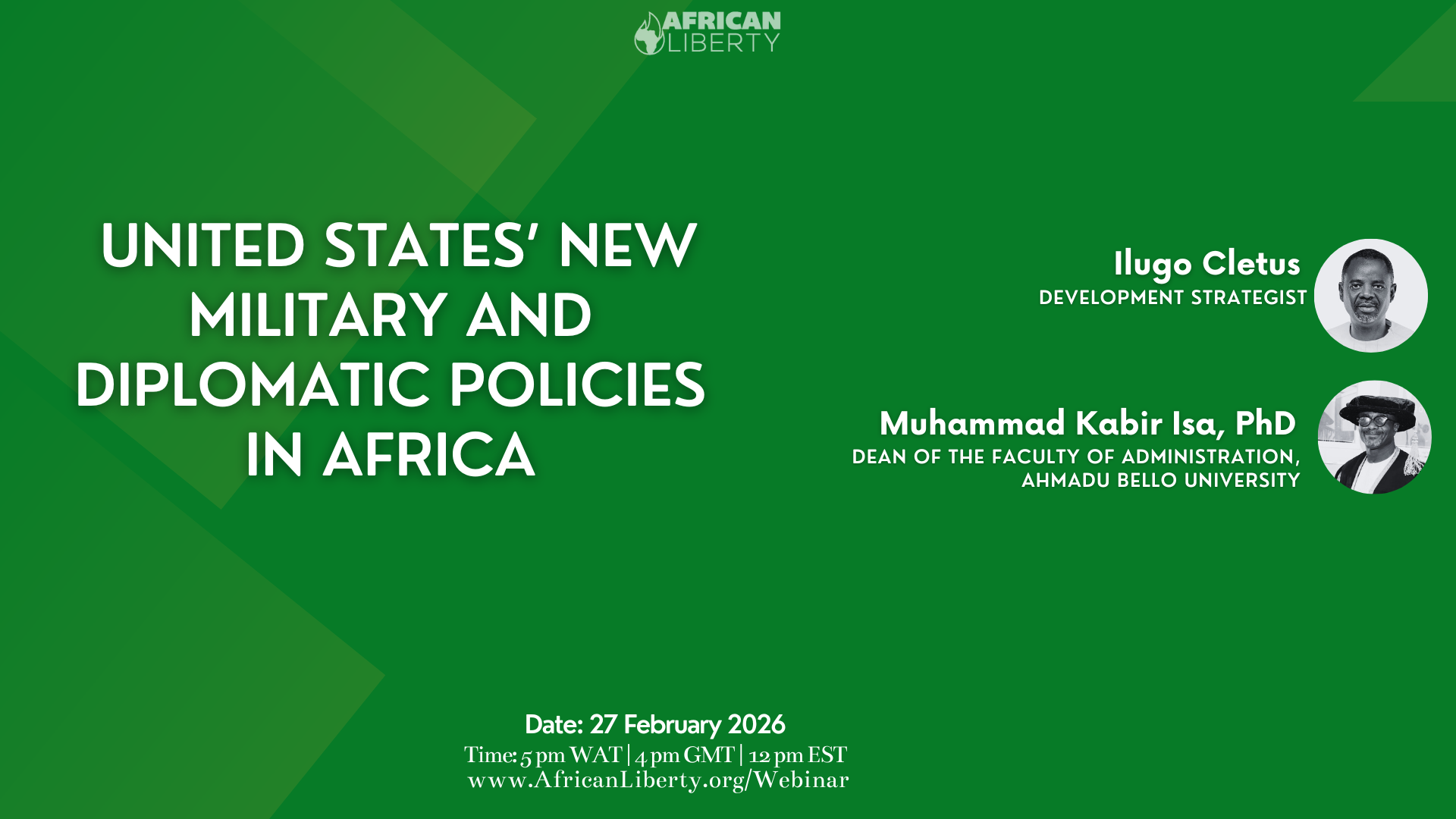
United States’ new Military and Diplomatic Policies in Africa

Ilugo Cletus C.D is an experienced Economic diversification and Development strategies, Conflict and Business Development Specialist that had worked with grassroots and international organizations such as Non-Governmental Organizations, Development Institutions (UN agency), Financial organization and manufacturing organizations to develop strategies needed to enhance the improvement of human lives. He holds a Master Degree in Conflict, Security and Development, another Master in Development Studies and M.Sc. in Economics. He is presently a PhD student of Peace and Conflict Studies, Modibbo Adama University, Yola, Adamawa State, Nigeria. Cletus had previously undergone three international training on Conflict Prevention, Election Observation and Conflict Analysis and Mediation at the Kofi Annan International Peacekeeping Center, Accra, Ghana.

___

Professor Muhammad Kabir Isa is a distinguished academic in the fields of governance, administration and development. A graduate of Political Science from Ahmadu Bello University (ABU), Zaria, he earned his B.Sc in 1989, M.Sc in 1994, and PhD in 2010. He was previously the Deputy Dean of the School of Postgraduate Studies (2017–2021), now a Postgraduate College. He recently served his sabbatical leave (2024/2025) at the Nigeria Defence Academy where he taught Political Science and International Relations, and currently serves as the Dean, Faculty of Administration, ABU Zaria. With over 30 years of academic and research experience, Professor Isa has contributed extensively to edited volumes and scholarly books, with notable publications such as Militant Ethnic Movement and Youth Sub-Culture of Violence in Nigerian Cities, AlieNation: The State of Koma in Nigeria, Militant Islamic Movements in Northern Nigeria, and Identity Politics and Transformations in Contemporary Nigeria. His work has been featured in publications by the Institute of Security Studies in Pretoria and Addis Ababa. He is a member of the UNESCO-MOST Ethno-Net Africa network, and the International Research Society for Public Management (IRSPM). Additionally, he holds memberships in the Nigeria Political Science Association (NPSA) and the Association of African Political Science, West Africa Zone (AAPS-WA), where he is a pioneer member.

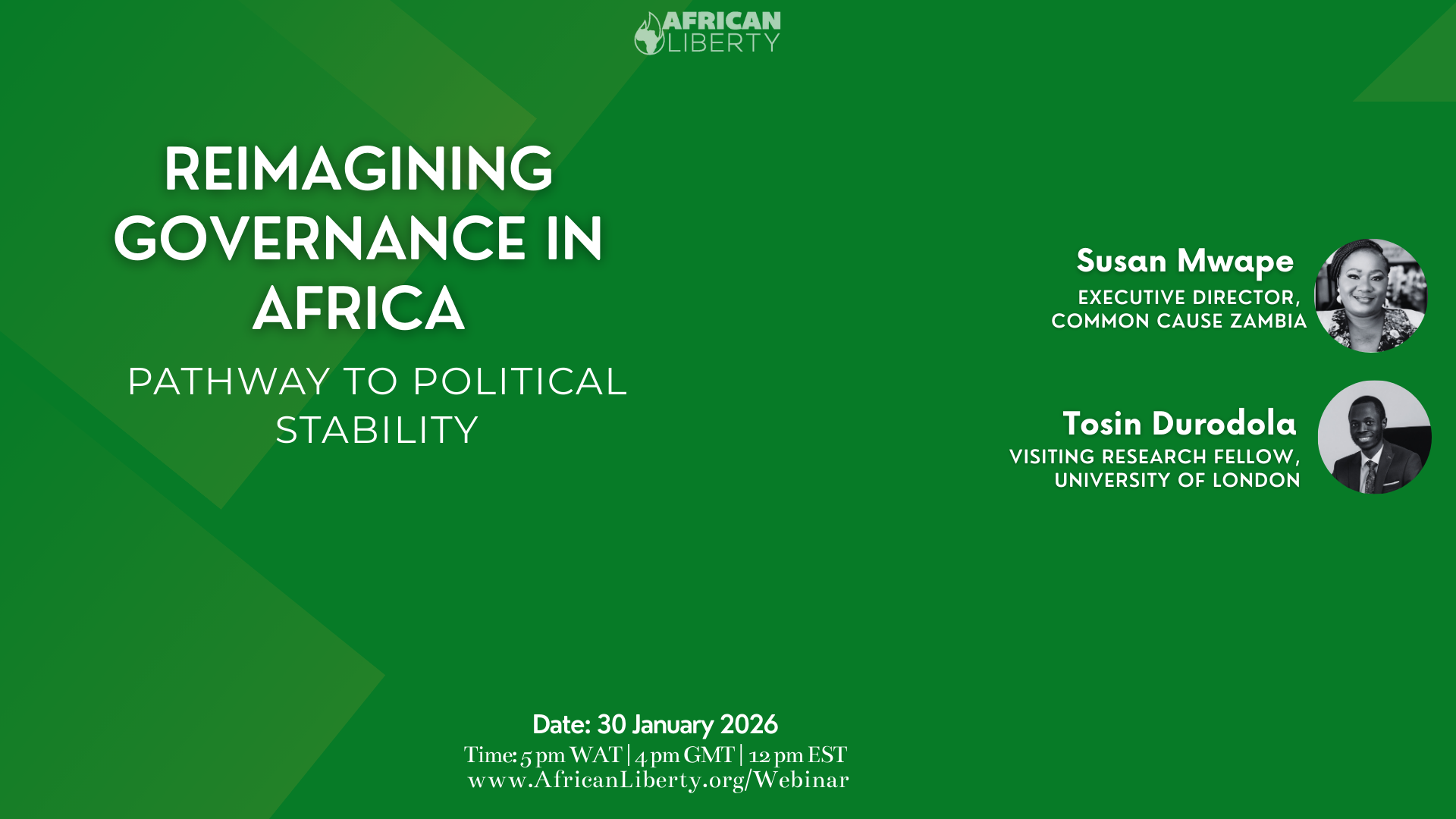
Reimagining Governance in Africa: Pathway to Political Stability

Susan Mwape currently serves as the Southern Africa Communication Champion for the African Union’s African Peer Review Mechanism (APRM), where she plays a pivotal role in promoting transparency, accountability, and socio-economic progress across the continent. She is also the Executive Director of Common Cause Zambia, and leads initiatives that strengthen democratic institutions, enhance civic and voter education, prevent gender-based violence, and expand public participation in governance. She has over 15 years of experience in civil society engagement, democratic governance, election observation, digital rights, and women’s empowerment, she has established herself as one of the continent’s leading voices in governance and civic participation. In recognition of her outstanding leadership and influence, she received the 2025 Pan African Role Model Award at The List Awards by Identities Media.

___

Dr Tosin Durodola is a visiting research fellow at the Refugee Law Initiative, School of Advanced Study, University of London. He teaches politics, development, displacement, African history, and international relations at the University of Edinburgh. He completed his PhD in African Studies at the University of Edinburgh, where his thesis focused on forced migration and humanitarianism in West Africa. He has previously worked on projects supported by the Migration Policy Institute (Washington, DC), International Organization for Migration (IOM), and Swiss Agency for Development and Cooperation (SDC).

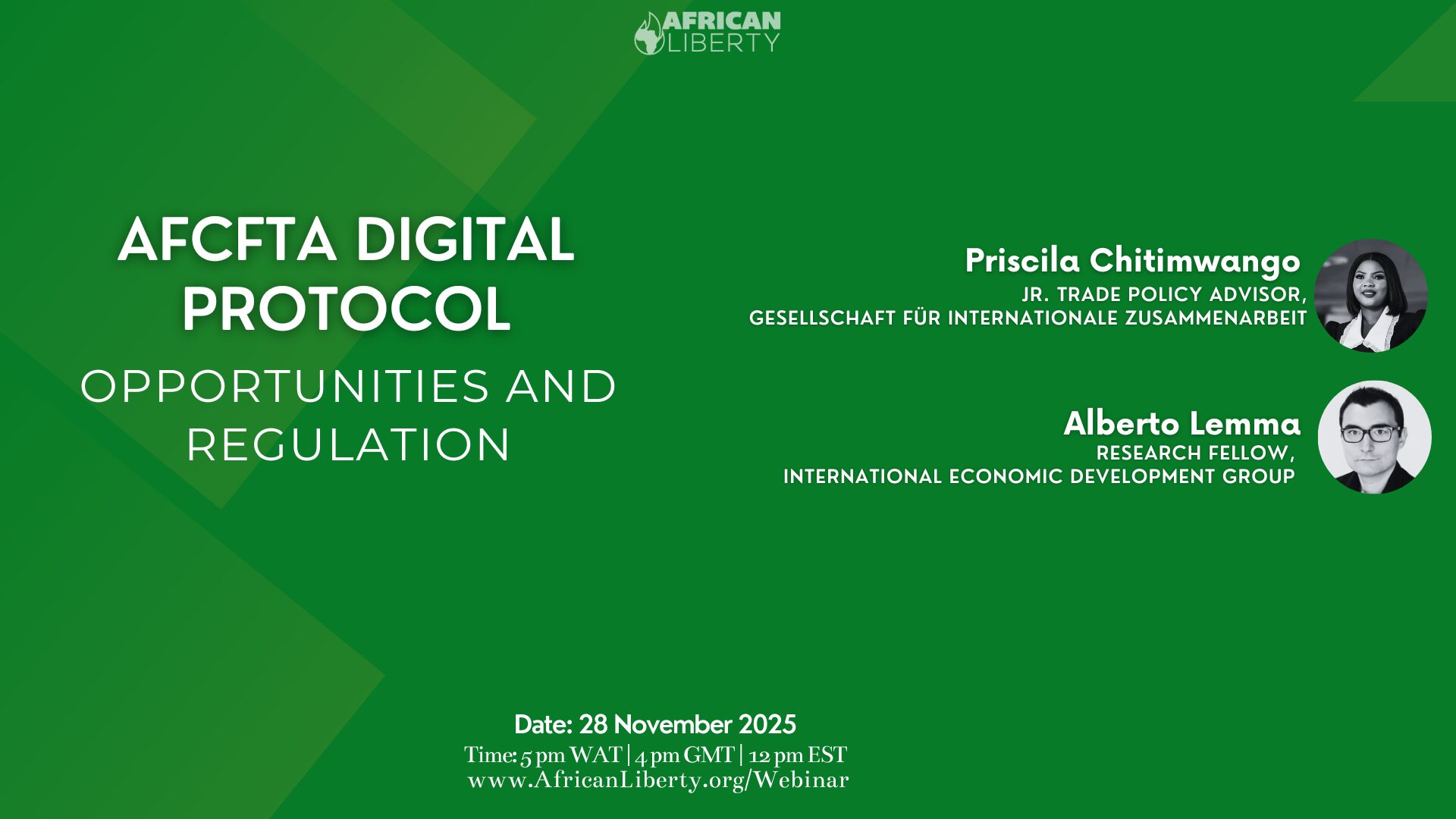
The AfCFTA Digital Protocol: Opportunities and Regulations

Priscilla Chitimwango is a Junior Trade Policy Advisor at the African Continental Free Trade Area (AfCFTA) – under the Deutsche Gesellschaft für Internationale Zusammenarbeit (GIZ) African Union. She specializes in trade policy analysis, regional integration, and economic development, with a focus on the role of the AfCFTA framework. In her role, she supports policy formulation, stakeholder engagement, and capacity-building initiatives to enhance Zambia’s trade competitiveness within the AfCFTA.

__

Alberto Lemma is a research fellow at the International Economic Development Group, he specialises in private sector development, specifically in access to finance, business partnership programmes and the interplay between the private sector and climate change adaptation and mitigation. His work on finance focuses on Development Finance Institution impact assessment, SME finance and access to innovative sources of finance such as crowdfunding or alternative financial mechanisms to SMEs.

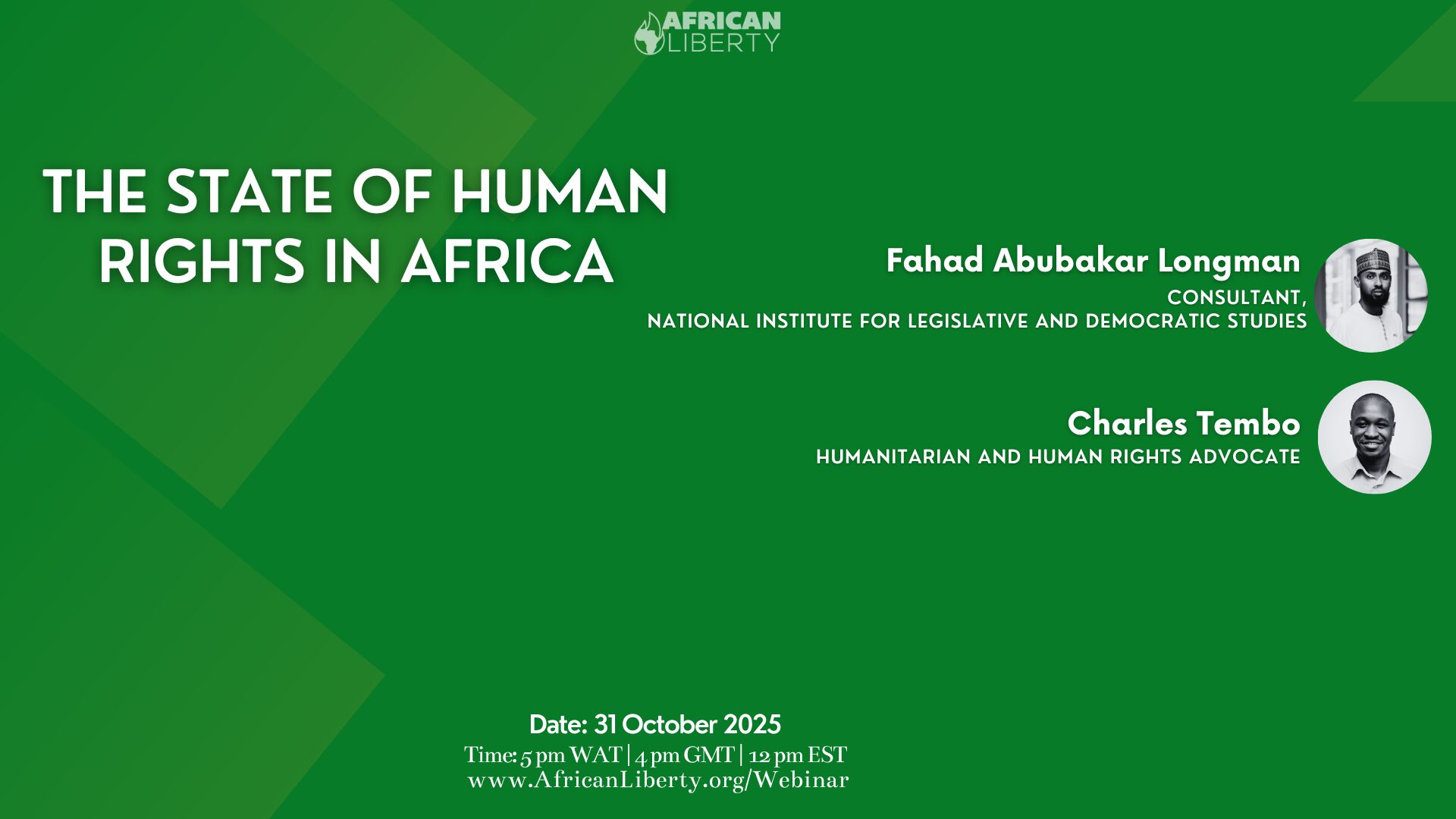
The State of Human Rights in Africa

Charles Tembo is a humanitarian, human rights advocate, and social development programs expert with over a decade of experience advancing youth empowerment and gender equality across Africa. He has played a leading role in shaping local, regional, and international frameworks that promote human rights, skills development, and employability, particularly for youth and women. Recognized by the African Union as one of Africa’s emerging leaders, Charles has been a strong voice in continental policy dialogues focused on addressing human rights matters.

___________

Fahad Abubakar Longman is an IT Consultant and Public Servant driving legislative efficiency and youth inclusion in Nigeria through his work at NILDS. A Mandela Washington Fellow and former Special Assistant to the Kaduna State Governor, he has led policy implementation, capacity building, and community engagement initiatives. Recognized among the 100 Most Impactful Young Nigerians, Fahad actively advances democratic governance and human rights through technology and legislative reform.

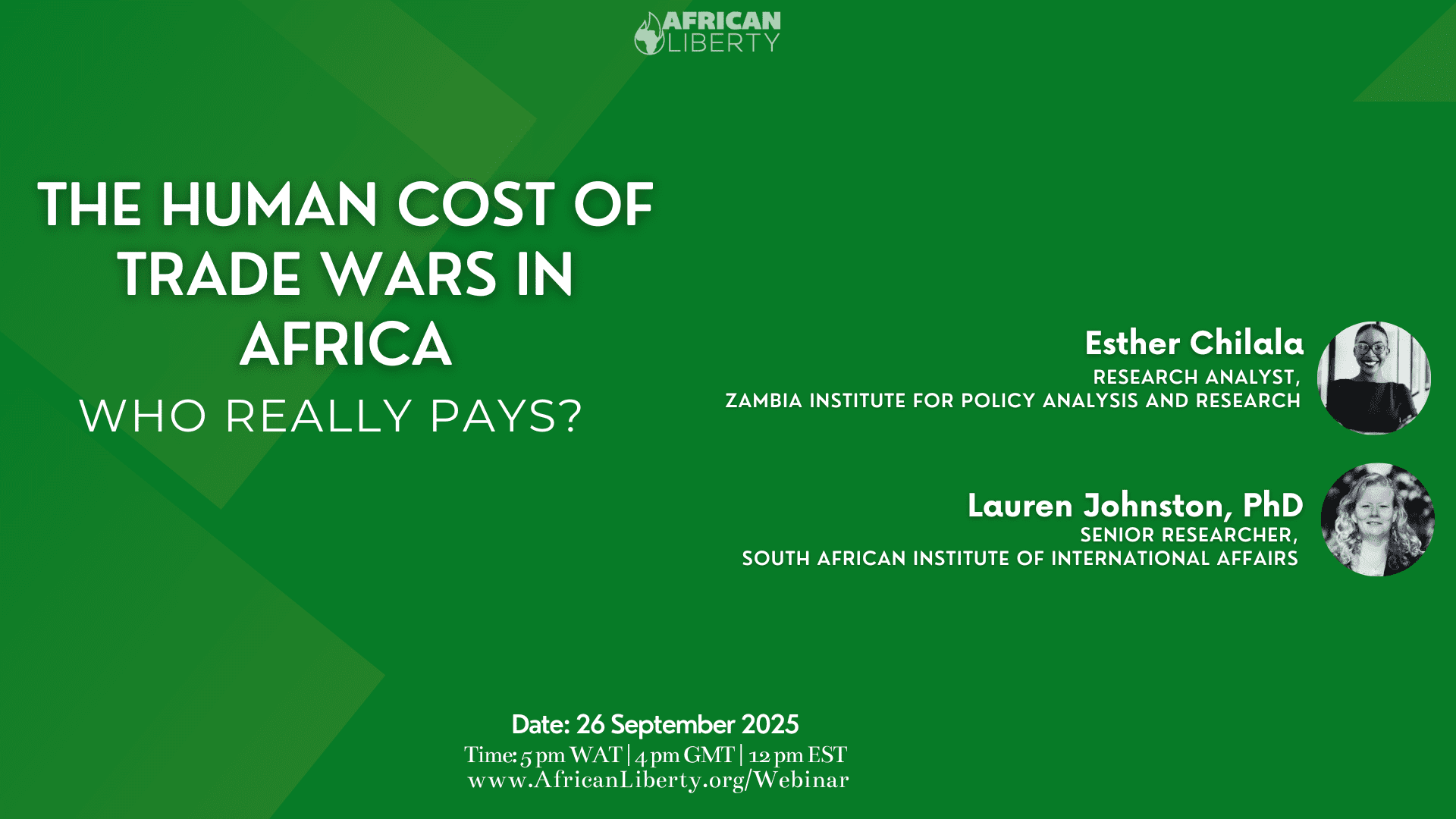
The Human Cost of Trade Wars in Africa: Who Really Pays?

Esther Chilala is an accomplished research and policy analyst who has actively worked at the Zambia Institute for Policy Analysis and Research, where she has established herself as a formidable force in the field of research and policy under the emerging themes unit. She holds a bachelor’s degree in economics from the University of Lusaka, which has provided her with a strong analytical foundation to approach complex challenges with precision.

___

Dr. Lauren Johnston is a consultant senior researcher in the Foreign Policy Programme of the South African Institute of International Affairs. She holds a PhD in economics from Peking University. She has expertise in and is widely published on the economics and political economy of China-Africa relations, the Belt and Road Initiative, and how population aging impacts China’s economy.