
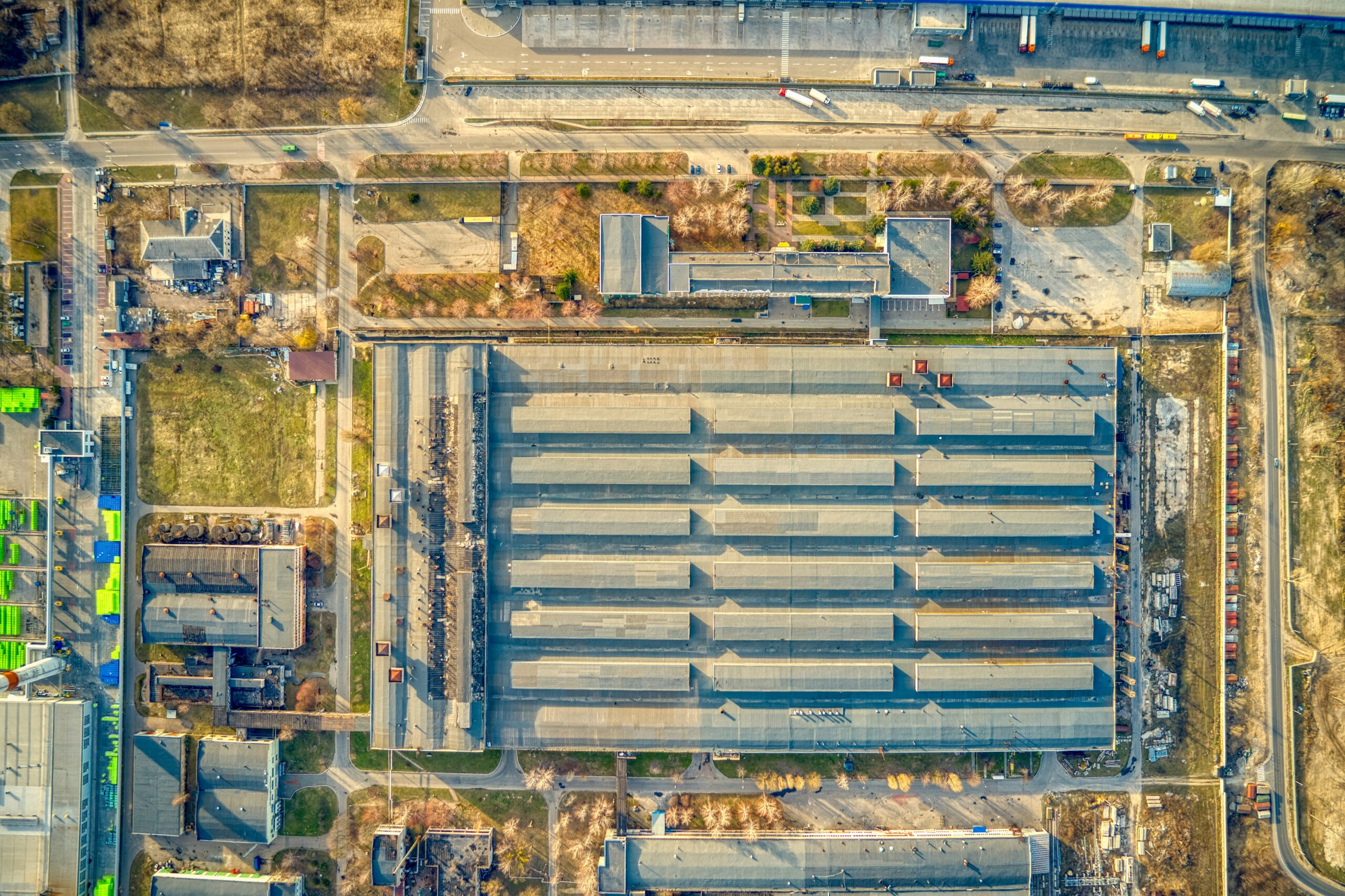
Special Economic Zones (SEZs) represent Africa’s most prominent effort towards industrialization. Economic zones, such as the Hawassa Industrial Park in Ethiopia, the Lekki Free Zone in Nigeria, and Kenya’s Export Processing Zones, demonstrate how African governments are attracting foreign investment. With various incentives, the African market has become more investor-friendly. However, these incentives often overlook social and economic needs locally. In Hawassa, there are thousands of jobs in the garment industry, but workers make about $26 per month, and skills transfer is minimal, despite a high turnover. Displaced communities in the Lekki Free Zone reported unfair treatment. African countries should link SEZ incentives to fair wages and skills transfers for local employees, ensure transparency in SEZ policies, and integrate SEZs with the African Continental Free Trade Area (AfCFTA).
African countries should redesign SEZs to ensure accountability and make them engines of industrialization. They must balance investor attraction and protecting national interests. These countries make significant concessions through tax holidays, duty exemptions, and cheap land sales, while receiving little in return. These incentives should lead to clear goals, such as increased wages and investment in skills development for local employees, as well as the local sourcing of raw materials by foreign companies.
For example, African countries could require investors to buy a portion of their inputs from domestic suppliers or partner with local firms. Such measures would align SEZs with national development interests, rather than functioning as isolated foreign enclaves.
Another area where SEZs need to improve is workforce development. In many African countries, local workers often remain in temporary, low-paying jobs with little to no path to promotion. SEZs should work closely with vocational colleges, polytechnics, and universities to train workers in relevant industrial skills.
African countries with SEZs can require foreign firms to create apprenticeship and on-the-job training programs that prepare local employees for higher positions, including managerial roles. This would make SEZs centers of knowledge exchange and not sites of cheap labor. Countries like Ethiopia and Kenya already have strong networks of vocational institutions that they could easily integrate into SEZs.
Transparency is also crucial for the success of SEZs. Often, SEZ contract negotiations happen secretly, and the size of tax exemptions or subsidies remains unknown to citizens. This lack of transparency fuels suspicion among citizens and distrust in the government.
Government authorities should publish SEZ agreements, provide regular reports on incentives, and allow for independent audits. Involving local communities in oversight can also ensure the fair distribution of benefits such as employment opportunities, infrastructure improvements, and local business participation. Without transparency, SEZs risk becoming tools of unequal development, profiting foreign investors but impoverishing ordinary Africans.
The AfCFTA also provides a way to make SEZs more beneficial for local communities. By connecting SEZs to continental markets, African firms and workers can tap into larger demand beyond their borders. This will lead to higher wages and increased skill development for local employees, as well as greater participation from local supply chains. Policymakers can encourage foreign investors in SEZs to align their production with AfCFTA opportunities. They can link incentives to commitments that strengthen exports within the African market rather than only abroad. This strategy can transform SEZs into drivers of economic growth locally.
African countries can pursue industrialization, but they should do so without compromising the well-being of their citizens. SEZs should be integral to national development and not exclusive zones for aiding local exploitation by foreign companies.
Rodrigue Ishimwe is a writing fellow at African Liberty.
Article first published by BusinessDay.
Photo by Maksym Diachenko on Unsplash.