Nigeria faces a critical level of hunger, according to the 2024 Global Hunger Index. With 30.6 million people experiencing acute hunger, this situation reflects a deepening food insecurity crisis exacerbated by drought, pest infestations, and flooding. While the full-scale adoption of genetically modified (GM) crops offers hope for overcoming these natural challenges, GM crop adoption in Nigeria remains low. The low adoption, which limits the realization of food security in Nigeria, is due to slow regulatory processes, single-source seed production, and health concerns about GM foods. To address these challenges, the GM market should operate based on fair competition and open access. The National Biosafety Management Agency (NBMA) should fast-track its approval timeframe for importers and local developers of GM seeds. Also, addressing health concerns about GM foods will scale their adoption.
As the agency responsible for regulating biotechnology in Nigeria, the NBMA serves as a key stakeholder in achieving food security. In February 2017, the NBMA published the National Biosafety Policy, which stipulates that ratifying a genetically modified organism (GMO) for importation requires 360 days. The ratification process is slow and restrictive. Slowing market entry intensifies food insecurity, which GMOs aim to solve.
The NBMA should review the National Biosafety Policy to include a shorter timeline for acknowledging and responding to import notifications. Under the current system, approvals take a long time, delaying the entry of GM crops into the market. Since acknowledgement is administrative and involves no substantive risk assessment, a shorter timeframe of 7 to 30 days would be more appropriate for acknowledging and validating notifications. The NBMA can reserve another time for a full review, scientific assessment, and regulatory decision-making.
There is a gap in the local development of GM seeds that limits innovation and farmers’ choices. Although Nigeria approved thirty-three GM crops, it developed only three locally. The government sanctioned the importation of the remaining ones. Notably, the Institute of Agricultural Research (IAR) at Ahmadu Bello University developed the three GM crops approved for cultivation in Nigeria. There is a need for more agricultural research centers to develop a broader range of GM seed varieties.
The NBMA can empower independent laboratories, universities, and research centers to scrutinise health risks and expose unsafe practices. The agency should compel developers to adhere to precautionary standards, including avoiding the use of deoxyribonucleic acid (DNA) from known allergens. Like Ahmadu Bello University, Zaria, universities across Nigeria can also establish research hubs that can reproduce locally developed GM crops. Universities can raise money through grants and public-private partnerships to fund research hubs. Establishing local research hubs would diversify GM crop development, foster competition, and create a market that enhances consumer choice and maintains standards. This milestone will facilitate the full-scale adoption of GM crops.
The International Trade Organisation reports that 80 percent of farmers in Nigeria are smallholder farmers, accounting for approximately 90 percent of total agricultural production. These farmers rely on preserved seeds and seedlings for crops such as cassava, yams, millet, sorghum, and vegetables, which they cultivate repeatedly. Strict regulations around GM seeds restrict replanting and compel farmers to stick with non-GM seeds. For smallholder farmers to replant GM seeds across seasons, the government should establish a public seed system through the Ministry of Agriculture in collaboration with regulatory bodies like the NBMA.
Under this system, public agricultural research hubs would develop seeds using government grants and public research funds. Once developed, licensed local companies could multiply seeds under non-exclusive licenses, ensuring that multiple actors can engage in production and distribution. This system would balance public investment, private participation, and farmer access, fostering innovation and competition in the domestic GM seed market. For example, the Hawai’i Public Seed Initiative helps farmers and gardeners select, grow, harvest, preserve, and improve seeds adapted to local conditions, while building local seed networks to ensure communities can access and save them. Similarly, adopting this policy would restore farmers’ economic rights to reuse seeds and maintain independent seed banks.
Concerns about GM foods’ potential health risks are slowing their adoption in Nigeria. For example, medical experts claimed potential health risks such as allergic reactions, cancer, alterations in human DNA, antibacterial resistance, and toxicity to body organs. However, there is no proof to substantiate these claims. The World Health Organization has countered these claims by stating that “GM foods currently available on the international market have passed safety assessments and are not likely to present risks for human health.”
Regarding the claim that GM foods potentially increase the risk of cancer, the American Cancer Society reports that there is no conclusive evidence to prove the claim. These counter-findings show that safety is best preserved in a system that permits open, continuous scrutiny. An open market enables multiple layers of verification, ensuring that biotechnology innovation advances food security without compromising public health.
GM foods offer a sustainable solution to food insecurity in Nigeria. However, Nigeria can only realize GM foods’ potential within an open and competitive ecosystem that does not monopolize innovation and avoids excessive control over access.
Oluwaferanmi Bello is a fellow at African Liberty.
Article first published by Business Day.
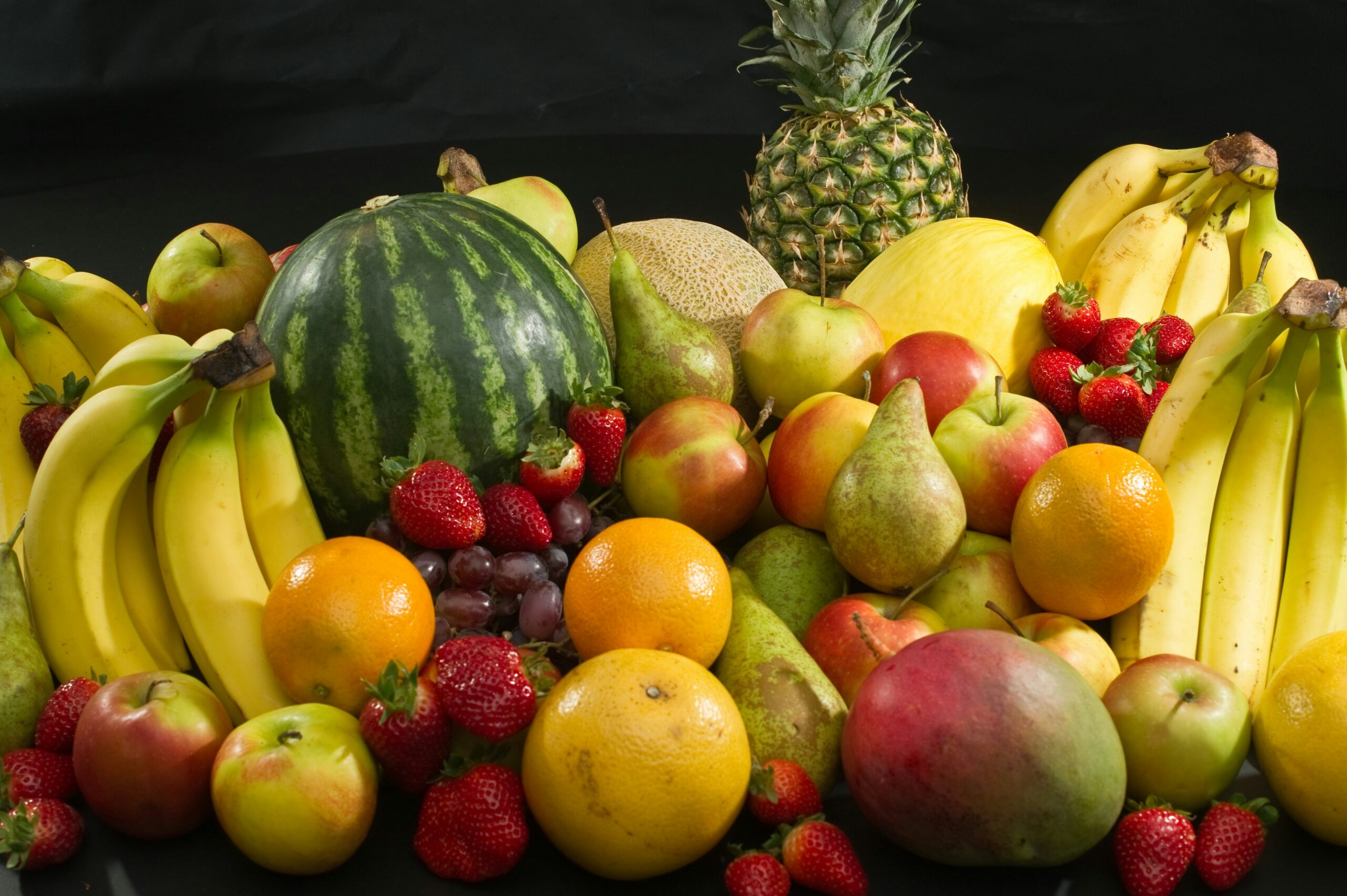
Photo by Powell Rasull on Unsplash.