
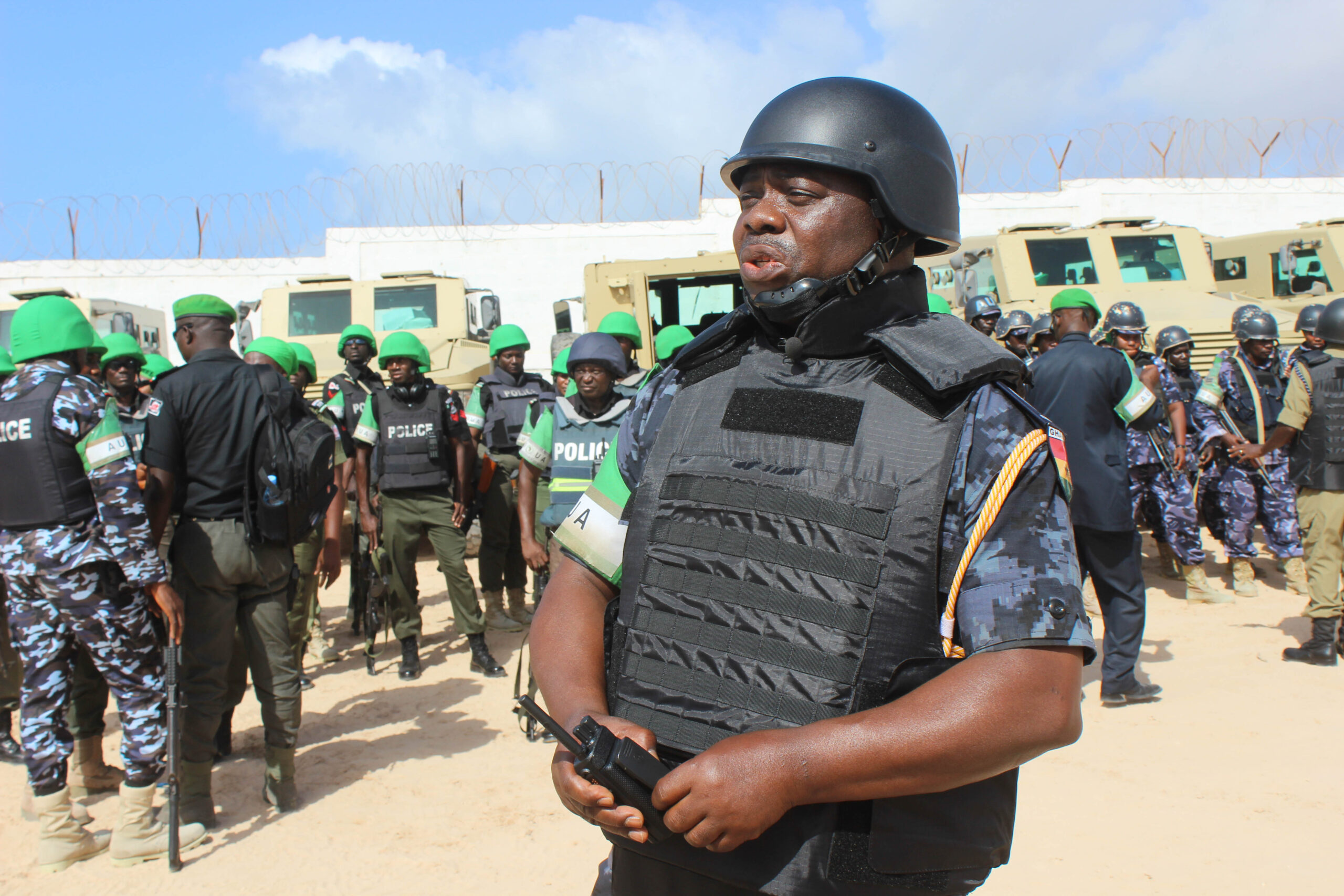
A couple of weeks ago, terrorists stormed a rural community in Kwara State, killing nearly 200 people in one of the deadliest mass attacks Nigeria has recorded in recent months. The massacre is not an isolated incident. From Plateau to Benue, Zamfara to Kaduna, communities are repeatedly targeted while security responses arrive too late or not at all. The pattern is now tragically clear: Nigeria’s centralised policing structure is failing to protect lives. Approving state policing is no longer a political debate; it is a human rights imperative.
At the heart of the crisis is Nigeria’s inability to guarantee the most fundamental human right: the right to life. Section 33 of Nigeria’s Constitution and Article 6 of the International Covenant on Civil and Political Rights, to which Nigeria is a signatory, obligate the state to protect citizens from arbitrary loss of life. When entire communities are wiped out before help arrives, the state has failed in this duty. Persisting with a policing model that has proven inadequate in the face of evolving security threats only compounds that failure.
Nigeria operates one of the most centralised police systems in the world. Over 370,000 police officers are expected to serve more than 200 million people across diverse terrains and security contexts. Decisions, deployments, and intelligence responses are largely controlled from Abuja, leaving states and local governments with limited authority to respond swiftly to threats within their jurisdictions. In practice, this means that communities under attack must wait for approval, reinforcements, and logistics from far-removed command structures while lives are lost.
State policing offers a practical and rights-respecting alternative. Security is local by nature. Officers recruited, trained, and deployed by states are more likely to understand local languages, geography, and conflict dynamics. They can gather intelligence more effectively, respond faster to distress calls, and build trust with communities that often view federal security forces as distant or unfamiliar. In countries such as the United States, Canada, and Germany, decentralised policing has not weakened national security; it has strengthened accountability and responsiveness.
Critics of state policing in Nigeria often raise concerns about political abuse by governors. These fears are not unfounded, given Nigeria’s history of power misuse. However, the solution is not to maintain a broken system but to design safeguards. Independent state police service commissions, legislative oversight, judicial review, and federal standards for recruitment and training can prevent abuse. Human rights compliance can be enforced through partnerships with bodies such as the National Human Rights Commission and civil society organisations.
More importantly, the current system already enables abuse without delivering security. Reports by Amnesty International have documented cases of excessive force, unlawful killings, and arbitrary arrests by federal security agencies, often with little accountability. Centralisation has not insulated citizens from rights violations; it has merely concentrated power while diluting responsibility.
State policing would also help address the specific challenge of mass community killings. Many attacks occur in remote areas where federal police presence is minimal. A state-controlled force, supported by community policing structures, would allow for constant patrols, early warning systems, and rapid intervention. When communities know that protection is nearby and accountable to them, trust improves, intelligence flows increase, and attacks become harder to execute.
From a human rights perspective, refusing to reform Nigeria’s policing structure amounts to state negligence. The African Charter on Human and Peoples’ Rights obliges governments not only to refrain from violating rights but also to take positive steps to protect them. Each mass grave left behind after an attack is evidence of the state’s failure to act decisively.
Nigeria’s lawmakers and federal authorities must move beyond political hesitation and confront reality. The cost of inaction is measured in human lives, traumatised families, and displaced communities. State policing is not a silver bullet, but it is a necessary reform in a broader security and justice overhaul.
Approving state policing would signal that the Nigerian government recognises its primary duty to protect life and dignity. Until then, communities will remain exposed, and the promise of human rights will continue to ring hollow in the face of preventable mass murder.
Immanuel Táiyéwò Fáwọlé writes on human rights and public policy in Nigeria. He is an editorial intern at African Liberty. He can be contacted via taiyewofawole@gmail.com
Article first appeared in TheCable.
Photo by AMISOM via Iwaria.