
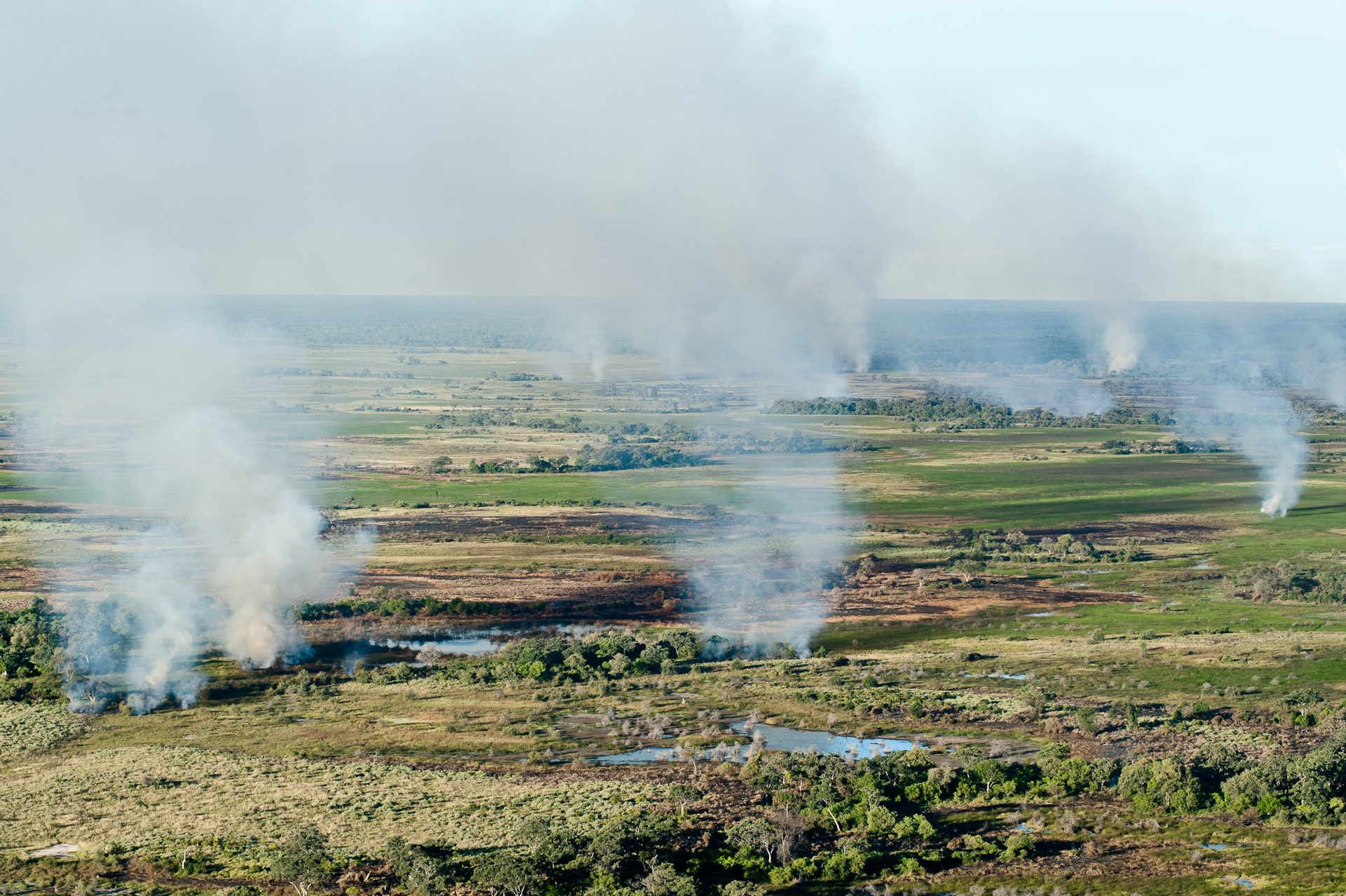
In November 2024, the Ogboinbiri community in Bayelsa state, in the oil-rich Niger Delta region of Nigeria, suffered its fourth oil spill in three months. The incident polluted farmlands, streams, wildlife, and natural habitats that people rely on for livelihood. This recurring tragedy necessitates the urgent need for oil companies to leverage their corporate social responsibility (CSR) initiatives to address environmental pollution in host communities. To achieve this, oil companies must prioritize environmental remediation and community-driven CSR initiatives. Furthermore, the Nigerian government must also prioritize stronger enforcement mechanisms to ensure compliance with environmental laws and CSR obligations.
The Niger Delta region in Nigeria is one of the most important oil-producing regions in Africa and contributes significantly to the Nigerian economy, yet this region suffers disproportionately. Gas flaring, oil spills, and toxic waste dumping have destroyed aquatic ecosystems, contaminated drinking water, and increased respiratory diseases. This pollution has crippled local businesses dependent on farmlands and rivers, such as fishing and rice farming businesses, thereby destroying livelihoods, the local economy and pushing host communities into deeper poverty. For instance, an investigation by the International Center for Investigative Reporting revealed how an oil spill destroyed 10 hectares of rice farm belonging to a local investor in Ogboinbiri, Bayelsa State. Nigeria’s Petroleum Industry Act 2021 and the Environmental Impact Assessment Act of 1992 mandate oil companies to implement CSR initiatives and mitigate ecological harm. However, enforcement remains weak, allowing oil companies to prioritize philanthropic projects over meaningful environmental action geared towards addressing the environmental pollution caused by their activities.
A 2021 report by Friends of the Earth revealed that despite 87 percent of host communities ranking environmental clean-up as their top priority, oil companies directed a significant portion of their CSR projects to philanthropic gestures such as building schools and roads. These initiatives have been criticized as public relations tools rather than providing actual solutions. This criticism underscores the need for oil companies to focus their CSR initiatives more significantly on addressing the environmental pollution caused by their activities in the Niger Delta region.
Oil companies urgently need to redirect a significant portion of their CSR budgets to environmental remediation. This may include investing heavily in proven cleanup technologies and infrastructures like bioremediation and water treatment plants. Also, the “Polluter Pays” principle, a global best practice which requires polluters to bear the costs of environmental damage caused by their operations, should be enforced locally. The Nigerian government, through relevant agencies like the National Oil Spill Detection and Response Agency (NOSDRA), should mandate stricter penalties on oil companies for oil spills. This will ensure that oil companies pay for cleanup efforts proportionate to the environmental damage caused by their activities in host communities.
CSR initiatives should be community-driven. Host communities must be carried along and allowed to co-design CSR initiatives through participatory forums. This builds trust, improves outcomes, and ensures that the critical needs of the host communities are addressed. For instance, the Ogoni Cleanup Model, a community-driven initiative, exemplifies this success. This initiative has led to a 75 percent completion of the restoration of the 560 hectares of oil-degraded mangroves in Ogoni and a 20 percent completion rate of the shoreline clean-up in the area. The Ogoni Cleanup Model has further empowered the people of Ogoni by creating 7000 direct jobs and ancillary indirect jobs for the youths and women of Ogoni. This shows how direct community involvement can improve outcomes.
The legal frameworks that encourage the CSR of oil companies in addressing environmental pollution in Nigeria are already there. However, the government should strengthen enforcement mechanisms to ensure compliance with environmental laws and CSR obligations. This includes imposing stricter penalties such as fines of $100 per barrel spilled and license revocation for repeat offenders. In addition, establishing independent monitoring bodies to evaluate the impact of CSR initiatives would compel oil companies to redirect their CSR initiatives to curbing environmental pollution. This will work because strict financial penalties and independent bodies calling for transparency will create accountability.
In conclusion, environmental pollution in the Niger Delta region is not just an ecological crisis but a theft of livelihoods and a threat to life and human rights. Oil companies must act decisively by prioritizing environmental remediation, collaborating more with host communities through community-driven CSR initiatives, and submitting to enforceable accountability measures.
Wonderful Koce is a writing fellow at African Liberty.
Article first appeared in Peoples Gazette.
Photo by Tomas Forgac via Iwaria.