
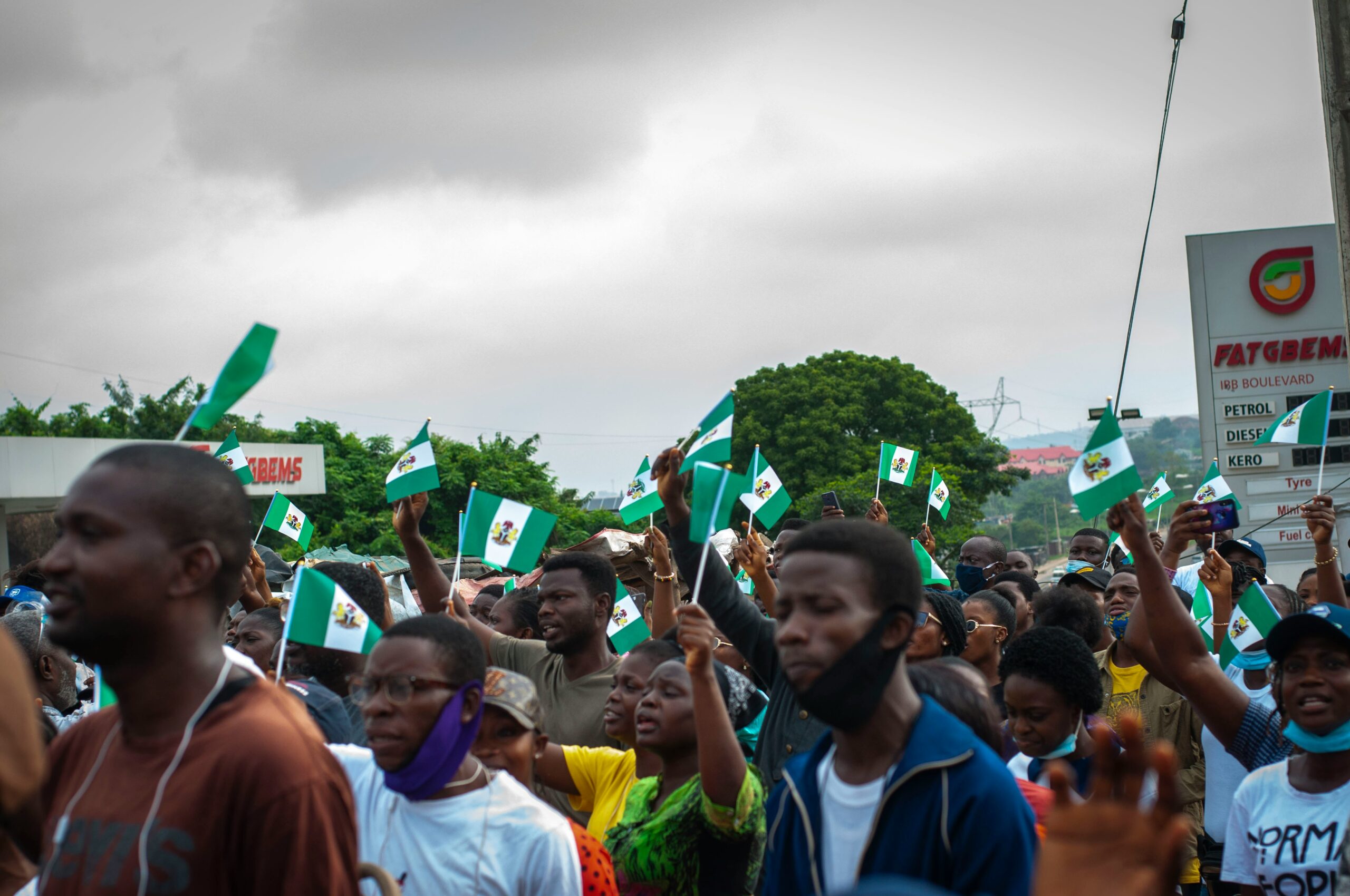
Young Nigerians under 35 years old comprise 39.65 percent of the 93.47 million registered voters, making youth the largest age group on the electoral register. In 2018, the National Assembly reviewed the Constitution of the Federal Republic of Nigeria, 1999, to encourage youth to run for political positions. Despite the review, youth candidacy fell from 34 percent in 2019 to 28.6 percent in 2023. The decline in political participation among Nigerian youth is due to the prevailing political structure, which systematically excludes them. To ensure young Nigerian’s inclusion in politics, political parties should reduce nomination costs and set youth-specific quotas. The government must be intentional about placing young people in leadership roles. Schools, civil society, and the media should help youth understand their political rights and responsibilities.
Nigeria’s constitution empowers the youth to run for political office, but only a few of them engage in politics. Youth make up over 60 percent of Nigeria’s population, but elite domination in political parties causes political apathy among the youth. The rich elite control party primaries, set high nomination fees, and systematically exclude the youth. They favour money and connections over vision, competence, or public support. The systemic exclusion of youth from political participation weakens Nigeria’s democracy and endangers its future.
The entrenched elite act as gatekeepers in Nigerian politics, marginalizing young and competent candidates. Young people eventually give up engaging in politics. Following the All Progressives Congress’s 2026 national convention, the party set new fees for nomination and expression of interest forms. The lowest fee is ₦20 million for the State House of Assembly, while the presidential form now costs ₦200 million. These exorbitant fees reinforce political parties’ systemic exclusion of young aspirants, creating a path for the rich alone to contest for office.
The Independent National Electoral Commission should enforce legal limits on nomination fees. Political parties should support candidates with competence, public backing, vision, and not money. Political parties must adopt internal youth quotas, not only on paper. For young Nigerians, participation is beyond politics; it is about hope. Giving young Nigerians a real chance in politics will encourage them to invest in their communities and the country. Civic engagement will increase, emigration will reduce, and a new political culture will emerge where talent and not money, will drive success. In addition, youth will have a stake in Nigeria’s future. Reforming political parties is the first step toward a system that includes all Nigerians, and not the entrenched few.
Elections alone are not enough to translate constitutional rights into real political power for young Nigerians. The youth need opportunities to shape policy, rather than remain observers. Government programs, like youth advisory councils, paid fellowships in key ministries, and political quotas that guarantee real decision-making roles, will equip young people for leadership. Fellowships should focus on federal and state ministries that will train young people for leadership. For example, placement in the Ministry of Youth Development would teach young people to strengthen civic programmes and shape youth-focused initiatives. In the Ministry of Education, they will learn how to influence education reform. Placement in the Ministry of Finance would expose young people to budgeting and public resource allocation. Placement in the Ministry of Health would involve them in planning and improving public health services.
South Africa exemplifies how structured youth councils help young people build skills, networks, confidence, and create a pathway into leadership. This initiative provides mentorship, policy exposure, structured training, and direct engagement with public institutions. Implementing this in Nigeria would transform youth into active participants, prepare them to become capable leaders, and strengthen governance.
Knowledge without protection is powerless. Civic education equips young people with practical skills in policymaking, voting, governance, advocacy, and community engagement. Notwithstanding, this education matters only if young people can act freely.
Schools, universities, youth groups, and community centers should teach civic skills, while the government, civil society, and the media should collaborate on nationwide programs. Equipping youth with information and protecting them would boost participation, improve public engagement, and contribute to shaping national decisions.
In Ghana, civic education and stable democratic transitions have enabled young people to engage actively in elections, public debates, and grassroots advocacy. In Canada, strong legal protections for civil liberties and institutionalized civic learning empower youth to organize, petition, and influence policy beyond the ballot box. These countries serve as examples of how youth hold leaders accountable and strengthen democracy. In Nigeria, civic education combined with legal, institutional, and physical safeguards can mobilize youth beyond voting. Nigerian youth can organize, advocate, and contribute to building stronger institutions.
Political party reforms, creating leadership pathways for youth, and civic education will make Nigerian politics more inclusive. Inclusion would reflect Nigeria’s youth majority and reduce political apathy and electoral violence. Nigeria must decide whether to continue marginalizing its youth or to embrace, empower, and transform them from “leaders of tomorrow” into leaders of today, confident and ready to reshape Nigeria’s future.
Agbeye Oburumu is a writing fellow at African Liberty.
The ICIR is a co-publisher of this article.
Photo by Tope. A Asokere on Unsplash.