Ethiopia’s $2.5 billion Gode oil refinery, which broke ground on October 2, 2025, will be evaluated in the coming years against two criteria. First, its ability to reduce the fuel import bill, which has depleted the country’s foreign exchange reserves for ten years. Second, its contribution to advancing the market-based reforms Ethiopia began in July 2024 with the float of the birr. With its current structure, the refinery reduces fuel imports but slows the shift to a market-based economy.
On July 29, 2024, the National Bank of Ethiopia abandoned its administered exchange-rate regime and allowed the birr to float against the dollar. The reform was overdue. Decades of fixed rates had produced a persistent parallel market gap, chronic dollar shortages, and a fuel import system that consumed foreign reserves faster than exports could replenish them. Results have been encouraging. Combined gold and coffee earnings reached $2.3 billion between July 2024 and April 2025, up from $1.56 billion in the previous fiscal year, and foreign exchange reserves climbed from $1.4 billion in mid-2024 to roughly $3.4 billion by mid-2025. The reform demonstrated a simple point. When Ethiopia stopped suppressing the birr’s dollar price, producers and inflows responded.
The fuel sector, however, still operates on the pre-reform architecture. The Ethiopian Petroleum Supply Enterprise (EPSE) continues to exercise its statutory monopoly over petroleum imports, wholesale distribution, and administered pricing. EPSE imported over 4.3 billion liters of petroleum products in fiscal year 2024/2025, generating revenue of 457 billion birr against costs of 496 billion birr. Placing a new refinery upstream of its distribution network cannot fix a state enterprise that loses money on every liter it sells. The loss is structural.
The Ogaden Basin, which will supply the refinery’s crude feedstock, presents a parallel problem. Ethiopia’s federal government asserts subsurface rights without a functioning framework for community consent or revenue sharing with Somali regional state populations. The Ogaden National Liberation Front (ONLF), which signed a 2018 peace agreement, announced in October 2024 that it was reassessing the deal and warned foreign energy firms of repercussions. The group cites the 2007 Abole attack, in which ONLF forces killed 74 people at a Sinopec-operated facility, as its precedent.
The U.S. State Department’s 2025 Investment Climate Statement for Ethiopia identifies the same conditions as the principal deterrents to foreign direct investment: heavy state dominance of key sectors, weak property rights enforcement, and absence of functional dispute resolution. A refinery built under those conditions inherits the deterrents alongside the assets.
Three Steps to Make the Refinery Work for Ethiopians
If the Gode refinery is to generate durable prosperity rather than become another loss-making state asset, three complementary reforms are required. First, end EPSE’s monopoly and license private firms to import, distribute, and sell refined fuel in competition with a commercialized EPSE successor. Refinery output should clear through a market with multiple buyers. A single state purchaser reproduces the EPSE distortion one layer upstream and prevents price signals from reaching consumers and industrial users.
Second, establish a transparent revenue-sharing framework among the federal government, the Somali Regional State, and local communities for hydrocarbons in the Ogaden Basin. Alaska’s Permanent Fund and Norway’s sovereign wealth structure show that extractive regimes remain durable only when affected populations hold defined, enforceable claims on resource rents. Durable security in extractive regions rests on institutional legitimacy, and adding refinery infrastructure without a consent framework does not give that legitimacy.
Third, complete the foreign exchange liberalization that began in July 2024. The IMF’s third ECF review in July 2025 identified remaining restrictions on current account transactions and FX market inefficiencies that continue to distort import pricing. The facility will import refinery inputs, spare parts, and maintenance services for its entire operational life. Each one priced through administrative allocation rather than through the market reproduces the distortions that the float aims to end.
Outlook
The Gode refinery will become a foundation for industrial development in the Horn of Africa or an expensive monument to half-finished reform. The refinery is a capital asset built on contested land and fed by crude of unproven commercial viability. What determines its outcome is the policy environment it enters upon commissioning. Ethiopia has already shown, through the birr float, that market-based reforms produce results when the government allows them to operate. Extending that logic to fuel markets and to subsurface property rights is the work that remains.
Arman Sidhu is an American geopolitical analyst and writer covering commodity markets, international trade, and foreign investment.
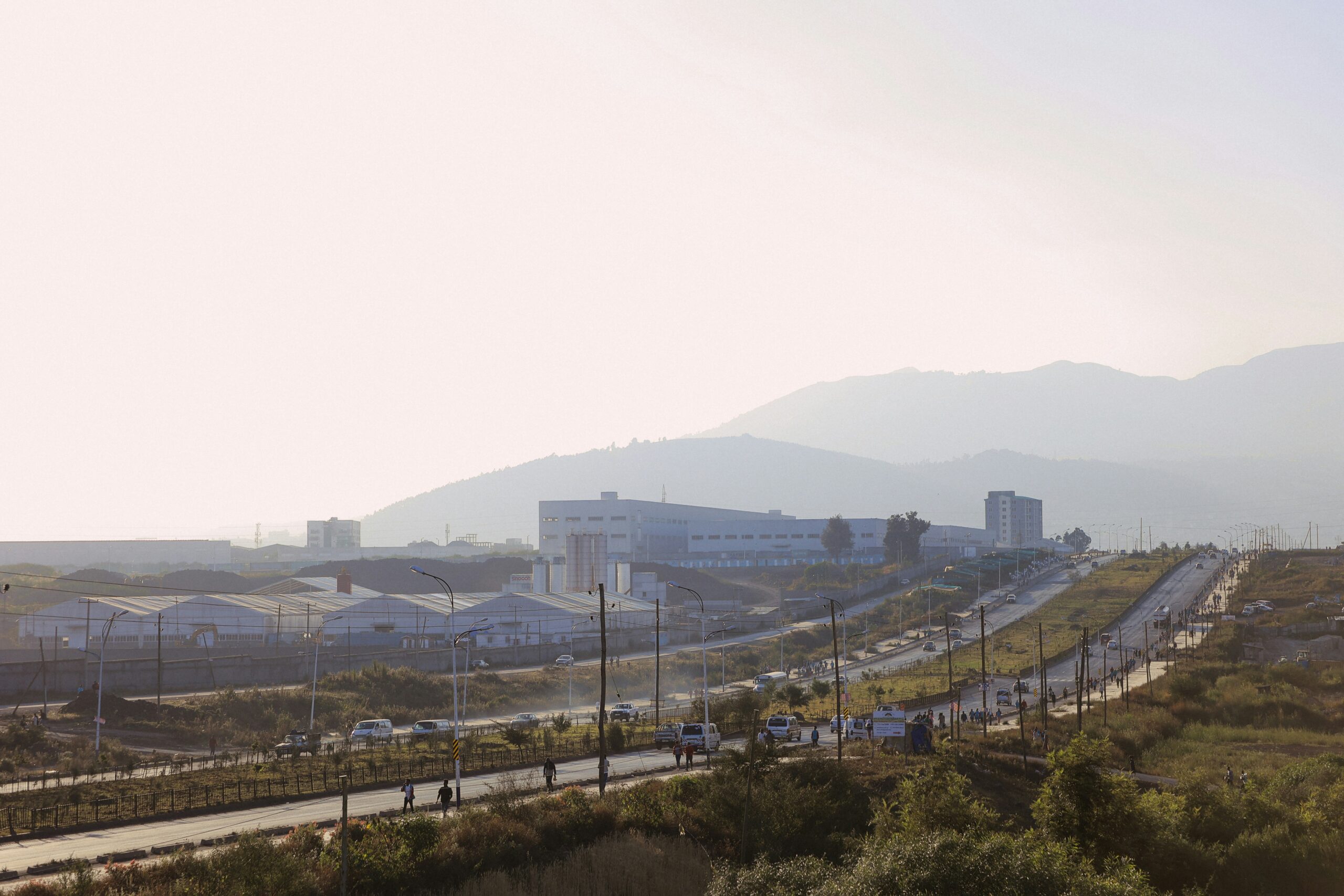
Photo by Gift Habeshaw on Unsplash.