
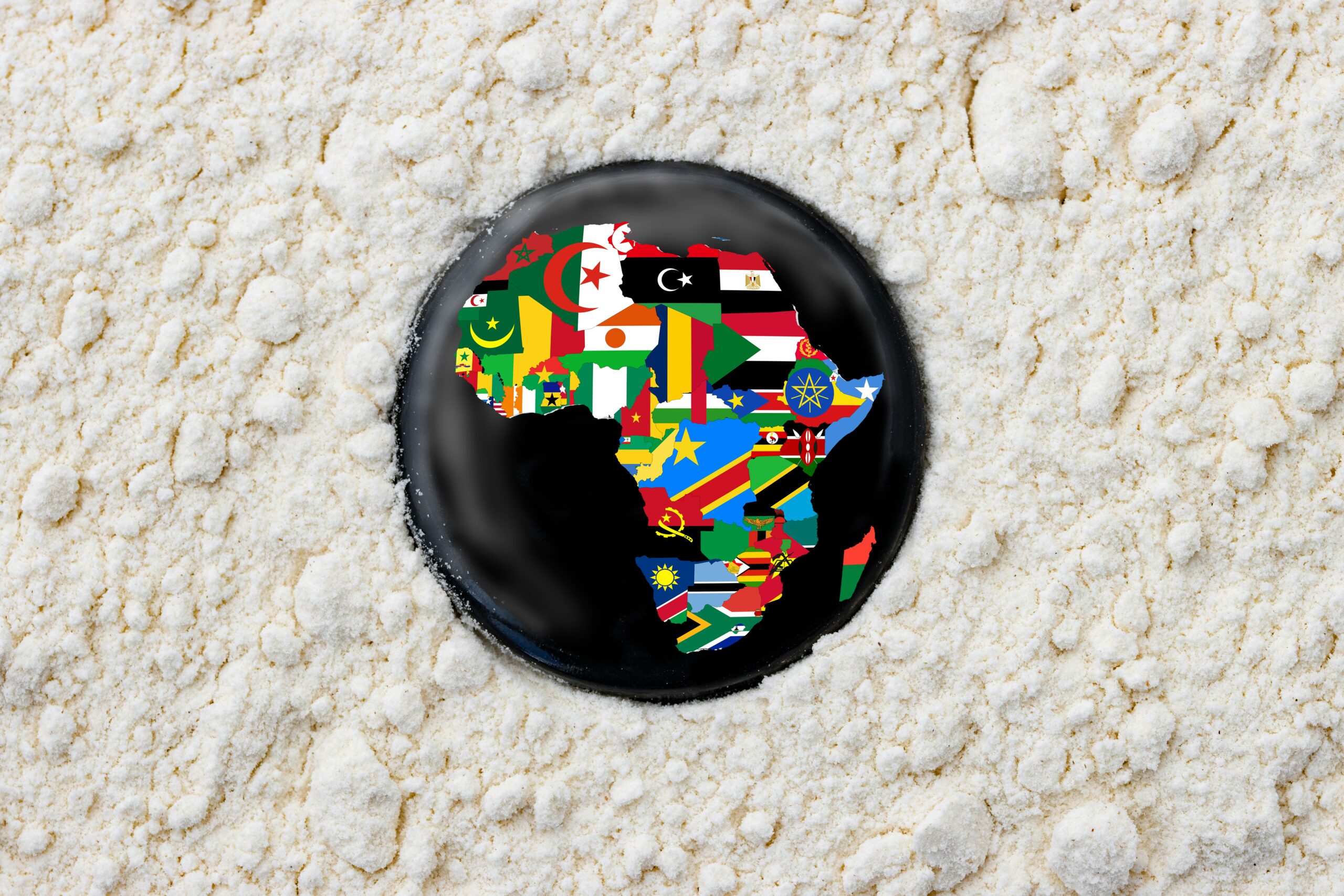
Nigeria recently completed its five-year review of the African Continental Free Trade Area (AfCFTA) implementation, making it the first African country to do so. Notably, the review revealed that Nigeria still faces challenges of weak infrastructure, inadequate logistics, and limited digital systems, all of which hinder trade. These challenges come at a time of rising global trade tensions. US tariffs on African exports now stand at a staggering 50 percent, forcing African leaders to rely on the AfCFTA as a buffer.
To fully realise the AfCFTA’s potential, the Nigerian government must invest in trade infrastructure and digital systems that reduce costs and enhance transparency.
To unlock the AfCFTA’s promise, Nigeria must first focus on closing its share of the $130 to $170 billion continental infrastructure deficit. The funds to achieve this goal can easily come from three sources. First, smarter use of public-private partnerships. Second, diaspora bonds, such as the one the Nigerian Ministry of Finance issued in 2017.
Third, private capital backed by government support. The government should direct these funds toward improving key trade routes such as highways, ports, and rail networks that facilitate the movement of goods. For instance, Kenya has shown why investment in infrastructure is crucial for meeting trade goals. The country’s Mombasa Port and the Standard Gauge Railway projects reduced freight transport costs by 30 percent, boosting exports to neighbouring countries. Upgrading Nigeria’s trade infrastructure will cut delivery times, reduce costs, and ensure Nigeria can compete fairly with other African economies under the AfCFTA.
Without real-time tracking of trade logistics, the Nigerian Customs and Trade Ministry lacks the necessary data to make informed trade decisions. Because of this data gap, policy responses are slower, compliance is harder, and there is room for waste. The solution to these gaps lies in integrating digital tools that enhance data accuracy and transparency.
A practical first step is for the Nigerian government to collaborate with businesses and civil society organisations to develop an online public AfCFTA dashboard. The Nigerian National Action Committee on AfCFTA could house this project. The committee already leads national efforts in implementing the AFCFTA and engaging key stakeholders.
However, its work would advance further by establishing a data and digital monitoring unit dedicated to tracking implementation progress. Next, the data unit could create an online dashboard to consolidate progress toward implementation, tracking delays in customs, and gaps in digital connectivity. The unit could also publish quarterly progress reports from this dashboard. Implementing these changes would enhance monitoring, reinforce private-sector buy-in, and enable real-time course correction across the sector.
A similar model to the proposed dashboard already exists at the continental level as the African Trade Observatory. Established by the African Union and built by the International Trade Centre, this online observatory aims to track intra-African trade flows and tariff preferences in real time. Public transparency tools like the observatory make trade data accessible and also build trust between governments and citizens.
Building on such transparency systems, Nigeria can take the next step by integrating a full digital trade facilitation tool. Already, Rwanda does this with the electronic single-window system, reducing customs clearance times by over 85 percent, from eleven days to just one day. As a frontrunner in the AfCFTA movement, Nigeria must lead by fully adopting digital tools to streamline customs and tracking. This development will show the value of Nigeria’s leadership while encouraging other African countries to follow suit.
Nigeria has the potential to turn the AfCFTA from an aspirational blueprint into a viable engine of economic growth. The choice before Nigeria is simple: act now and lead Africa’s trade future, or watch from the sidelines as other countries set the pace.
David Okigbo is a writing fellow at African Liberty.
Article first appeared in The Cable.
Photo by Marek Studzinski via Unsplash.