Lesotho welcomed the extension of the African Growth and Opportunity Act (AGOA) on 3 February 2026. The AGOA is a U.S. trade program that has sustained Lesotho’s textile industry since 2000. The extension offers temporary relief to a sector that employs thousands of workers, mostly women. Yet temporary relief is not sustainable due to the uncertainty surrounding AGOA. Years of uncertainty have already triggered factory closures, job losses, and declining investor confidence. The uncertainty further exposes the fragility of an industry dependent on preferential access to a single market. To secure its longevity, Lesotho must do more than celebrate the renewal of AGOA. Lesotho should push for a longer, more foreseeable timeline for AGOA and diversify its export markets beyond the United States. Lesotho should implement domestic reforms to improve competitiveness and reduce regulatory barriers. The industry can achieve lasting stability by embracing trade and open markets.
Lesotho’s textile and apparel industry faces policy uncertainty. The industry’s heavy reliance on the AGOA risks its closure, discourages investment, leads to factory closures, and disrupts supply chains. Thousands of workers, especially women, face unemployment whenever access to the United States market expires. If this vulnerability persists, Lesotho risks deindustrialization, rising poverty, and increased dependence on foreign aid. A weakened textile sector would shrink export earnings, reduce tax revenues, and limit economic mobility. Without stable market access and competitive reforms, short-term trade preferences cannot deliver long-term economic prosperity.
Securing a longer AGOA renewal period is critical to the survival of Lesotho’s textile industry. Textile manufacturing depends on long-term planning, including sourcing inputs, securing buyers, and investing in specialized machinery. Short, uncertain AGOA extensions affect production, forcing firms to shift to more favorable markets, leaving factories idle and workers unemployed.
Lesotho should work with other textile-exporting countries under the AGOA to push for a longer renewal period. The government should engage directly with U.S. buyers to show industry reliability and maintain compliance with the AGOA requirements that affect exports. A longer AGOA horizon would encourage reinvestment, protect jobs, stabilize factory output, and anchor Lesotho’s textile industry within global supply chains driven by open trade.
Stable market access has proven effective in sustaining textile industries in other countries. Bangladesh and Vietnam grew into global apparel hubs because manufacturers could rely on consistent access to major export markets. In contrast, uncertainty in trade preferences has repeatedly disrupted production in smaller textile-exporting countries. Lesotho’s experience reflects this pattern: textile demand declines whenever uncertainty surrounds the future of AGOA.
Diversifying export markets beyond the United States is vital for Lesotho’s textile industry. Overreliance on a single destination increases vulnerability to policy shifts and demand fluctuations. If AGOA preferences determine exports, any threat to that access would disrupt demand and production. By expanding into alternative markets, manufacturers can spread risk, stabilize sales, and attract buyers seeking competitive supply options. Ethiopia expanded its textile exports to Europe and neighboring African markets, reducing its dependence on a single buyer. Access to multiple markets would strengthen Lesothos’s negotiating power and encourage firms to improve quality and meet varied standards.
Lesotho should identify and target promising regions such as the European Union and neighboring African markets. The country can leverage trade agreements like the African Continental Free Trade Area and the Economic Partnership Agreement. Market diversification would lead to more stable demand, increase foreign-exchange earnings, and reduce AGOA’s exposure to uncertainty. Lesotho’s textile industry will have stronger resilience against global shocks and become a more sustainable industry.
Improving domestic competitiveness is crucial for Lesotho’s textile industry to succeed beyond the AGOA. Even with trade preferences, factories face high production costs, slow customs processes, unreliable electricity, and bureaucratic delays. These issues reduce factories’ efficiency and profits. Addressing these issues would strengthen the industry’s ability to compete in multiple markets.
Achieving domestic competitiveness would require regulatory and structural reforms. Reforms in other African textile industries have shown proven results. For example, streamlined regulations and targeted industrial policies in Kenya have attracted investment, increased production, and expanded exports. Kenya’s example shows that predictable, efficient domestic policies can directly support industrial growth.
Lesotho should simplify business registration and licensing for textile firms. Another necessary reform is tax policies that disproportionately affect textile producers. Also, improving the electricity supply would ensure reliable production, and upgrading the transport infrastructure would speed deliveries.
A more competitive domestic market would ensure Lesotho’s textile industry grows sustainably, provides stable employment, and thrives in both regional and global markets.
Extending the AGOA’s predictability, diversifying export markets, and improving domestic competitiveness would create a stable, resilient, and globally competitive textile industry in Lesotho. Workers will gain secure employment, firms will attract investment, and the economy will benefit from higher exports and tax revenues. Beyond immediate growth, these measures will reduce vulnerability to market shocks, prevent factory closures, and curb dependence on foreign aid. They will further encourage skills development, innovation, and stronger supply chains, positioning Lesotho’s textile sector for long-term sustainability and economic independence.
Thapelo Moeketsi is a writing fellow at African Liberty. He is on X @Wil_Moeketsi.
The Post is a co-publisher of this article.
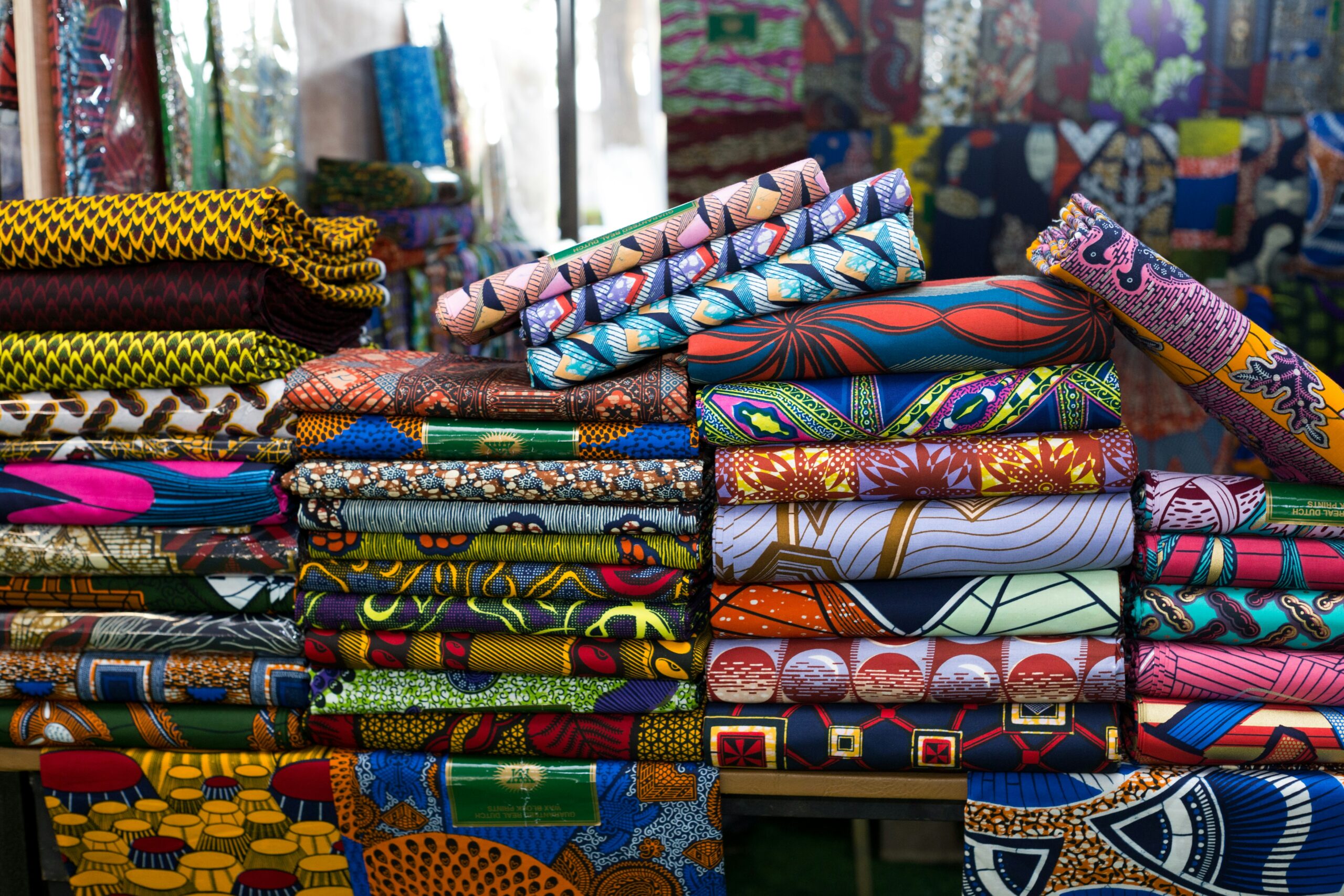
Photo by Iwaria Inc. on Unsplash.