On March 18, 2025, President Bola Ahmed Tinubu declared a state of emergency in Rivers State, suspending the Governor, Deputy Governor, and State House of Assembly members. In his address, the President cited a longstanding political crisis, a Supreme Court ruling, and militant attacks on oil pipelines as reasons for this drastic intervention. The crisis began when the political relationship between Minister Nyesom Wike and his former protégé, Governor Siminalayi Fubara, collapsed. Wike had backed Fubara’s emergence as governor in 2023, but their alliance soon deteriorated into a bitter, protracted power struggle. This crisis led to the loss of lives, the destruction of public infrastructure, and the emergence of parallel assemblies. It also triggered multiple court battles that eventually reached the Supreme Court, prompting the president’s action.
Rivers State is just one of many examples showing how godfatherism continues to undermine democracy in Nigeria. To restore democratic values, civil society organizations (CSOs) should raise civic awareness among citizens. Political parties should adopt inclusive fundraising models, and the national assembly should strengthen electoral laws.
The fight against godfatherism in Nigeria is not new, and history shows it can be won. In 2019, the people of Kwara State rose in one voice with the slogan Ó Tó Gẹ́ (“Enough is Enough”) to successfully topple the long-standing Saraki dynasty. Similarly, during the 2020 Edo State governorship election, voters declared, “Edo No Be Lagos.” Edo voters boldly rejected Adams Oshiomhole’s attempt to install Osagie Ize-Iyamu as governor by fiat. These examples show that with unity and awareness, citizens can break free from the grip of political godfathers. Recent youth-led campaigns, including the EndSARS protests in 2020 and the Obedient movement in 2023, also highlight the strength of a conscious citizenry. However, this momentum must be sustained through civic education.
CSOs like Yiaga Africa and Enough is Enough should collaborate with social influencers to engage young people on governance issues. For example, CSOs can leverage the uproar against the president’s state of emergency declaration to educate young people about the ills of godfatherism. During electioneering seasons, CSOs can also organize town hall meetings that allow ordinary citizens to analyze political candidates’ merits and demerits.
The STAR-Ghana Foundation, alongside SONGTABA, did something similar ahead of the 2024 elections in Ghana. The foundation organized in-town meetings for citizens to discuss issues affecting their community. These discussions were later used to influence the manifestos of major political parties in the country before the elections. Engaging citizens this way will encourage citizens to support competent and honest candidates rather than those backed by godfathers.
The next step is to reform political parties. Today, many parties function as exclusive clubs for the wealthy. In 2023, for instance, the All Progressives Congress charged up to ₦100 million for a presidential nomination form. Such exorbitant fees discourage capable candidates who do not have money but empower wealthy godfathers to influence political outcomes. The policy also violates the Independent National Electoral Commission’s regulations on the conduct of political party primaries. The Commission mandates that parties must not set nomination fees that limit aspirants based on their financial background.
INEC must strictly enforce this regulation. The commission should place enforceable limits on nomination fees and penalize political parties that disobey this regulation. This action will promote fair competition among political aspirants and reduce the influence of godfather money in politics.
Furthermore, political parties should adopt grassroots fundraising to finance their activities instead of relying on expensive nomination fees and donations from godfathers. This approach has been successful in the U.S. and Canada. In Canada, the Conservative Party raised more money through small individual contributions after corporate and union donations were banned in 2003. When citizens finance campaigns, candidates are more likely to be accountable to the people, not just the rich.
Lastly, the national assembly should strengthen electoral laws to break the grip of political godfathers. One key reform is the push for independent candidacy. Currently, the constitution allows only political parties to sponsor candidates. This limitation gives party leaders and godfathers unfair control. The Independent Candidacy Bill, currently before the 10th National Assembly, seeks to address this problem. The bill aims to allow individuals to run for office without joining a political party. Passing this bill will open up the political space and remove godfathers’ control over who gets to contest, giving control to the people instead.
With two years remaining until the 2027 elections, the time to implement these changes is now. The stranglehold of godfatherism is stifling our democracy and preventing good governance. We must educate voters, reform political parties, and strengthen the law to break this stranglehold. It is time to reject imposed leadership and let the people decide.
Klistivivi Ogunlana is a writing fellow at African Liberty.
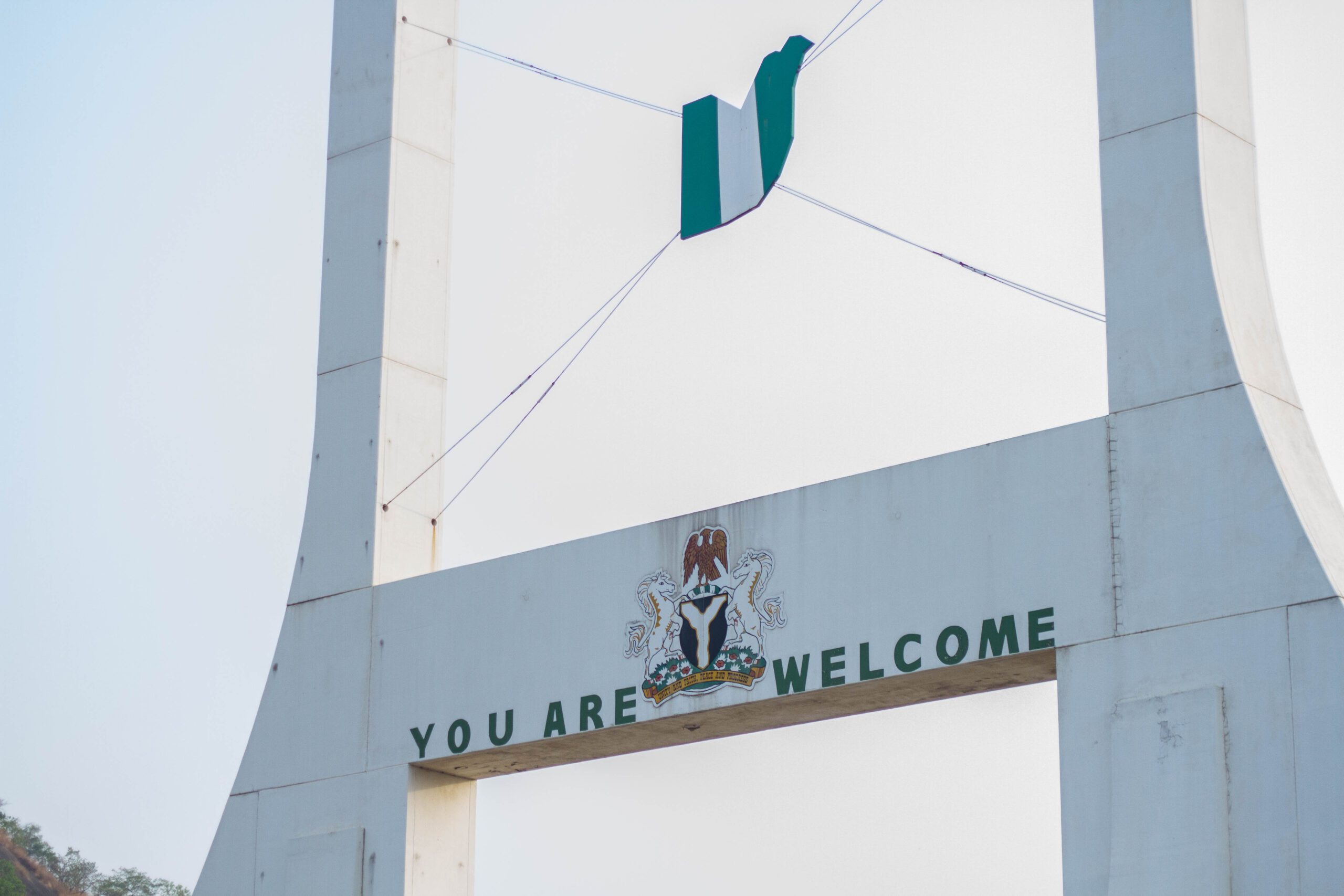
Photo by Iamdavidrotimi via Iwaria.