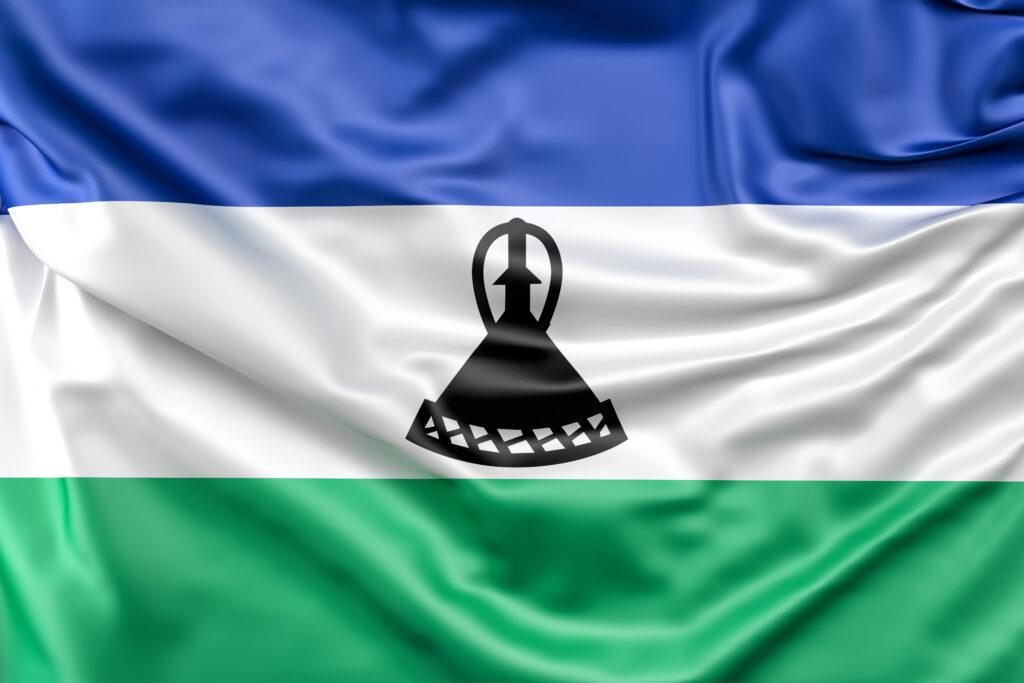
The Global Expression Report 2025 reveals a global decline in the freedom of expression, and Lesotho is among the countries facing this decline. Once celebrated for its vibrant culture and civic engagement, Lesotho is now witnessing a steady erosion of fundamental human rights. Authorities have targeted famo music, a cornerstone of the Basotho identity, alleging that it fuels violence and insecurity. Silencing artists under the guise of national security deepens mistrust and suppresses cultural creativity. There is an urgent need for the government of Lesotho to adopt rights-based policies that ensure national laws align with regional and international human rights standards. The government must also separate crime from art, allowing citizens to express themselves freely and ensuring the protection of journalists and activists.
Independent institutions and civil society organizations (CSOs) need empowerment to monitor human rights abuses and demand accountability without fear of reprisal. Through sustainable funding, legal protections, and capacity-building initiatives, donors and development partners can support these institutions and CSOs. Regional partners, particularly the Southern African Development Community, should encourage Lesotho to honor its commitments to protecting human rights through constructive engagement and institutional reform.
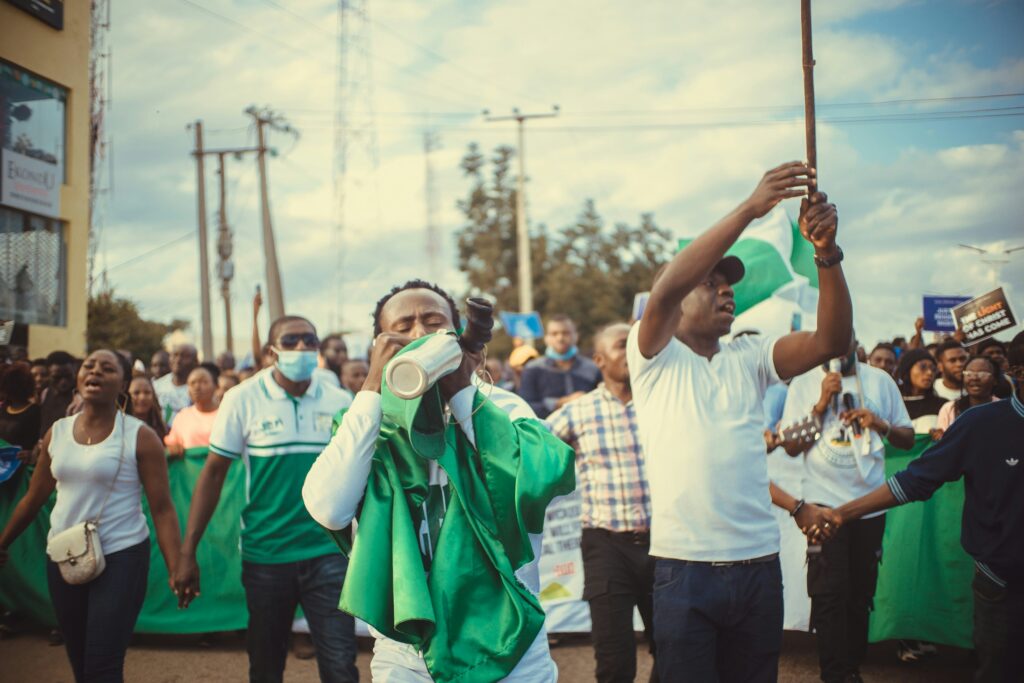
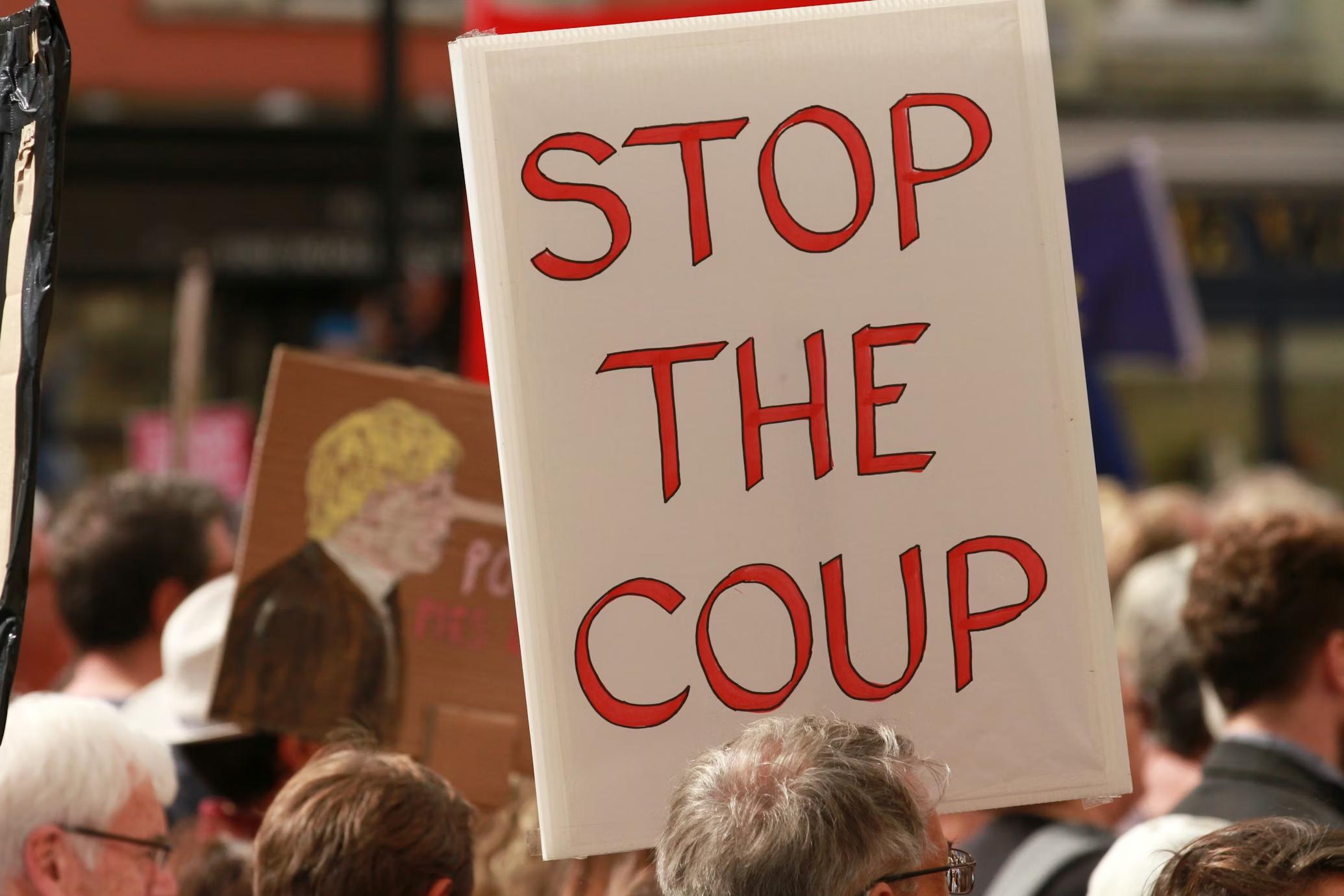
The rights of association and peaceful assembly, essential to a democratic society, are facing greater restrictions in Lesotho. Authorities frequently deny citizens permits to march or deliver petitions to Parliament, which contradicts democratic principles. Peaceful protest is a legitimate form of civic engagement, which the government must not treat as a threat. In Kenya, peaceful protests have demonstrably achieved specific governance outcomes. When citizens can express themselves freely and gather without intimidation, public trust in governance will grow stronger. Learning from recent events in Kenya, where citizens are demanding better governance through protests, Lesotho must protect the right to peaceful assembly by encouraging structured dialogue between the government and citizens. The dialogue can happen through regular consultation forums, such as community gatherings (Pitsos), civil society–government dialogue platforms, and police–community engagement forums. Clear guidelines on the police’s response to protests and independent oversight by the Office of the Ombudsman, the courts, and the parliament, would prevent abuses and ensure accountability. The dialogue can happen through regular consultation forums, such as community gatherings (Pitsos), civil society–government dialogue platforms, and police–community engagement forums. Clear guidelines on the police’s response to protests and independent oversight by the Office of the Ombudsman, the courts, and the parliament, would prevent abuses and ensure accountability.
Freedom of speech also faces serious restrictions in Lesotho. Journalists, commentators, and activists often face harassment and arrest for voicing their opinions. This pattern of intimidation limits open discussion, which is essential to an informed society, and undermines democracy. There must be no interference with citizens who hold the government accountable, including members of the media and civil society. Protecting them would show genuine respect for the principles of a democratic system. The government is not above criticism, and every citizen can exercise their right to free expression and hold the government accountable. It is also the duty of the government to defend media freedom. Creating an independent media council can help the government achieve this duty. A media council would promote ethical journalism, protect reporters from political interference, and provide a neutral platform for resolving disputes. Supporting the media through fair regulation and institutional backing, rather than censorship, would help restore public confidence and international credibility.
Lesotho stands at a defining moment in its democratic journey, in which repression, censorship, and fear only fuel instability and alienation. Allowing cultural voices to flourish, protecting free expression, and embracing peaceful civic action will be the genuine test of Lesotho’s democracy. Sustainable peace will emerge only through listening to citizens and respecting their rights. By fostering open dialogue and inclusive participation, Lesotho can rebuild public trust, strengthen its institutions, and lay the foundation for lasting stability and national unity.
Thapelo Moeketsi is a writing fellow at African Liberty. He is on X @Wil_Moeketsi.
Article first published by Public Eye News.
Photo by www.slon.pics via Freepik.